Insurance Denied Your Roof Claim? Here's Exactly What to Do Next
July 2025 · Sure Claim Roofing LLC

You got the letter. Maybe it came in the mail, maybe your adjuster called, but the message was the same: your roof insurance claim has been denied.
Before you resign yourself to paying thousands of dollars out of pocket, here is something worth knowing. About 37% of property insurance claims nationwide get denied, and a significant portion of those denials get reversed when homeowners push back the right way. A denied claim is not a final answer. It is a starting point.
This guide walks you through exactly what to do, step by step, without the legal jargon.
Why Insurance Companies Deny Roof Claims
Before you can fight back effectively, you need to understand what you are actually fighting. These are the most common reasons insurers deny roof damage claims:
Pre-existing damage or wear and tear. The adjuster claims the damage was already there before the storm, or that it resulted from normal aging rather than a covered weather event. This is the most frequently cited denial reason, and it is also one of the most commonly disputed and overturned.
Cosmetic damage only. If your roof still technically keeps water out, some policies exclude coverage for dents or surface damage that does not affect function. Check your policy for a "cosmetic exclusion" clause.
Poor maintenance or neglect. Clogged gutters, cracked flashing, or long-ignored minor issues give insurers a way to argue the underlying cause was homeowner negligence rather than the storm.
Roof age or policy exclusions. Many policies reduce payouts or exclude coverage for roofs past a certain age, often 20 years, or they carry separate higher deductibles for wind and hail damage.
Late filing. If too much time passed between the storm and your claim, the insurer may argue they cannot verify the actual cause of the damage.
No qualifying covered event. The insurer disputes that a qualifying storm occurred in your area, or claims the damage predates the event you reported.
Knowing which category your denial falls into tells you which steps below matter most for your situation.
Step 1: Read the Denial Letter the Right Way
Do not skim it. Insurance companies are required to state the specific reason for the denial and cite the exact policy language they relied on.
Read it twice. Write down the exact reason they gave, the specific policy section they cited, any deadlines mentioned for filing an appeal, and the adjuster's name and contact information.
If the letter is vague or uses broad language without citing specific policy sections, write back immediately requesting a detailed written explanation with specific policy references. You are entitled to that information.
One key distinction worth making early: there is a difference between a denial based on coverage (they claim the damage is not a covered peril at all) versus a denial based on amount (they acknowledge the damage but dispute what it is worth). This difference matters significantly for some of the options covered later in this guide.
Step 2: Get Your Own Independent Roof Inspection Before Anything Else
This is the most important step in this guide, and it should happen before you file an appeal, write any letters, or make any calls.
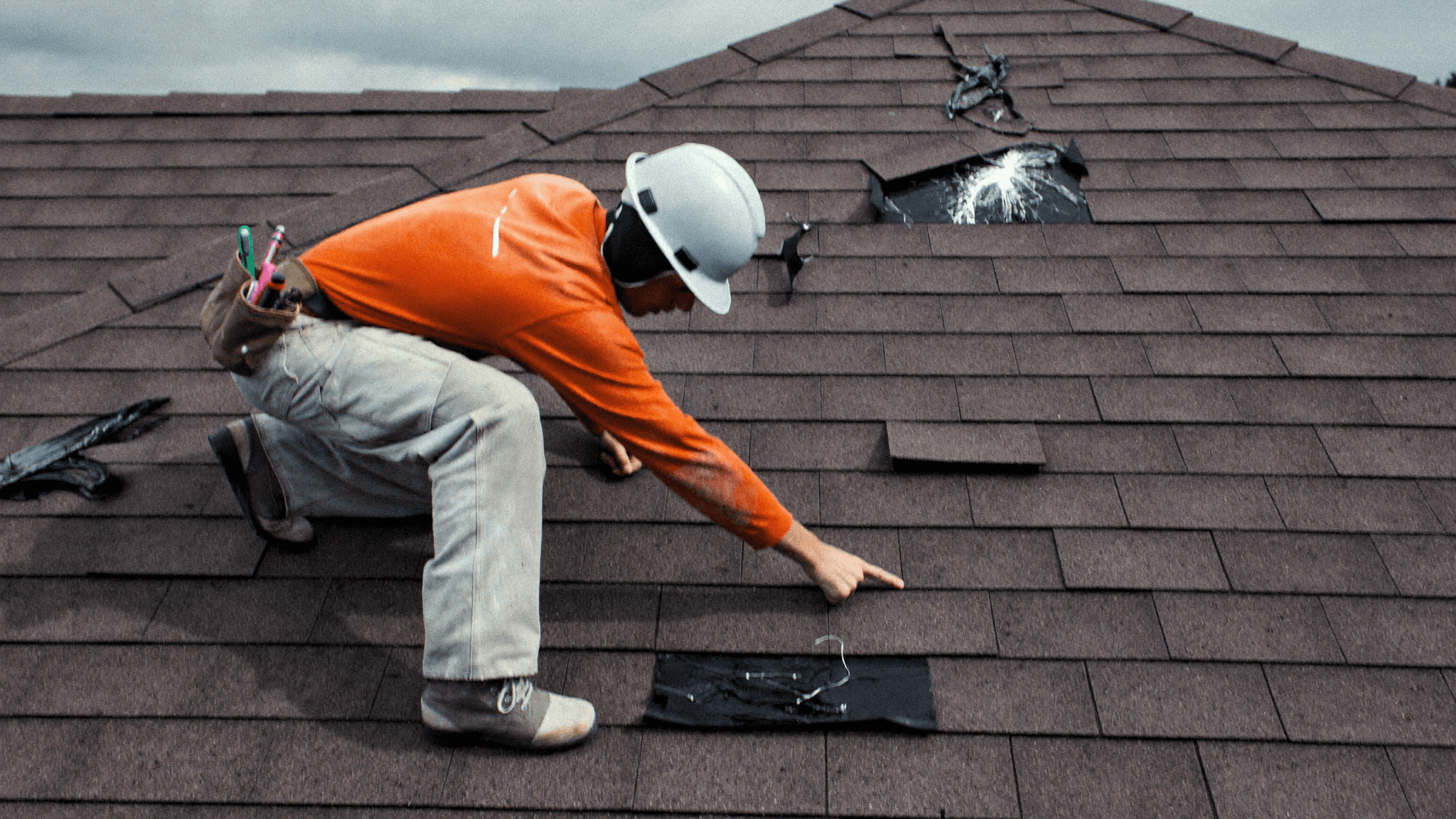
Get an independent licensed roofing contractor to inspect your roof and document everything in writing. The insurance company's adjuster works for the insurance company. Your contractor works for you.
A solid independent inspection report should include:
•Detailed photographs from multiple angles with close-ups that include a scale reference next to each point of damage
•Identification of storm-specific damage patterns like hail impact dents, wind-lifted or creased shingles, and granule loss concentrated on one slope
•Correlation between the damage and documented storm data such as date, hail size, and wind speed from local records
•An itemized written estimate with square footage of damaged areas
For claims over $10,000 or complex damage situations, look specifically for contractors who employ HAAG Certified Inspectors. HAAG certification is an industry-recognized forensic qualification for storm damage assessment, and HAAG reports carry significant weight with insurance carriers during disputes. You can search for a certified inspector at haageducation.com.
Step 3: Build Your Evidence File
Your evidence file is what separates a weak appeal from a winning one. The more specific and verifiable your documentation, the harder it is for the insurer to dismiss.
Storm documentation: National Weather Service records and NOAA data for your address and storm date are available free at weather.gov. Gather local news coverage of the storm event. If any neighbors had claims approved for the same storm, that helps establish that a qualifying weather event actually occurred.
Damage documentation: Collect time-stamped photos and video taken as soon as possible after the storm. If hail was involved, photograph the hailstones next to a ruler before they melt. Photos of secondary damage to gutters, downspouts, siding, and window screens are especially useful. If hail dented those surfaces, it almost certainly damaged the roof shingles too.
Maintenance history: Pull any previous inspection reports showing the roof was in good condition before the storm, plus receipts for past repairs or gutter cleaning. This directly counters a neglect-based denial.
The adjuster's report: You have the legal right to request the insurance company's complete inspection report, including the adjuster's notes and photographs. Request it in writing. Compare it line by line against your contractor's findings and note every specific discrepancy. Those gaps become the foundation of your appeal.
Step 4: File a Formal Written Appeal
Once your contractor's report and evidence file are assembled, submit a formal written appeal to your insurer. Do not do this over the phone. Everything must be in writing.
Your appeal letter should include:
•Your name, policy number, and claim number at the top
•The date of loss and storm event
•A clear statement that you are formally disputing the denial
•Specific rebuttals for each reason cited in the denial letter, addressed one by one
•Your contractor's inspection report attached as supporting evidence
•Storm data and weather records supporting your timeline
•A clear statement of what you are requesting
Send it via certified mail with return receipt requested. Keep photocopies of everything.
Most policies give you 60 to 180 days from the date of denial to file an appeal. Your denial letter and policy will state the exact deadline. Do not miss it.
Step 5: Request a Different Adjuster for Reinspection
Most homeowners do not know they can ask for this, and it makes a real difference.
When you submit your appeal and request a reinspection, ask specifically for a different adjuster than the one who handled the original visit. Asking the same adjuster to reassess their own prior work rarely changes the outcome. A fresh set of eyes is far more likely to catch damage that was missed or misclassified the first time.
Have your roofing contractor present during the reinspection. They can point to specific damage in real time and provide context the adjuster might otherwise overlook.
Step 6: Know When to Bring In a Public Adjuster
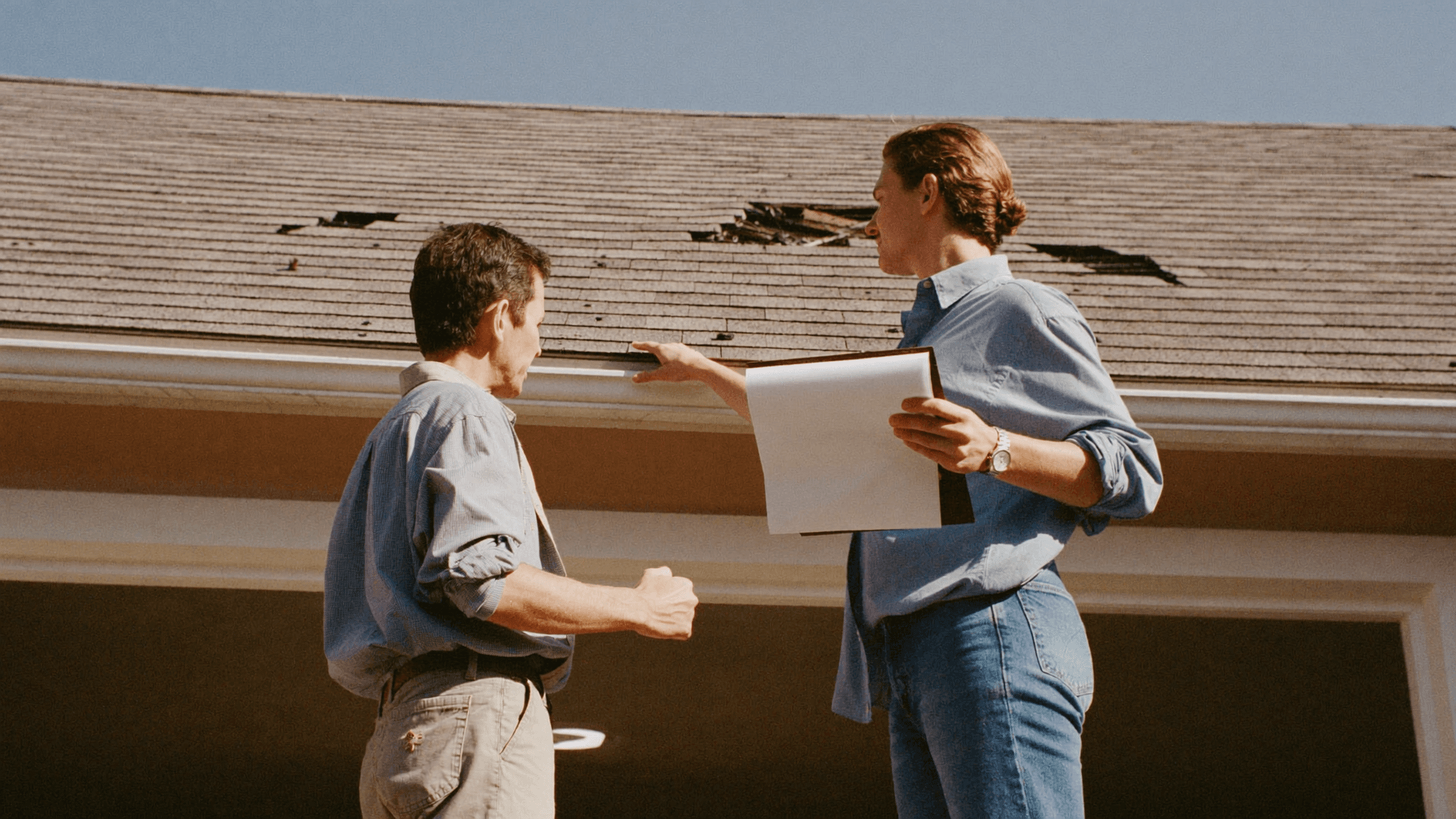
If you have pushed back on the denial and the insurance company is still not moving, a public adjuster may be your next best step.
Public adjusters are licensed professionals who work exclusively for policyholders, not for insurance companies. They know how to document claims, interpret policy language, and negotiate settlements that most homeowners cannot reach on their own.
Their fee is typically 10% to 15% of the final settlement. Their involvement often results in settlements large enough that homeowners still come out well ahead after the fee.
Public adjusters are especially worth it when:
•Your claim is $10,000 or more
•The denial involves a scope dispute where the insurer says less is damaged than your contractor found
•You have already filed one appeal without success
•You do not have time to manage a complex claims process yourself
One important note: a roofing contractor cannot legally interpret your insurance policy or "handle your claim" on your behalf without a public adjuster license. If a contractor offers to manage your entire claim, verify they hold the appropriate licensing in your state.
Step 7: The Appraisal Clause (A Tool Most Homeowners Never Use)
Most standard homeowners insurance policies include an appraisal clause, and most policyholders have never heard of it.
Here is how it works: if you and the insurance company disagree about the dollar value of the loss, not whether it is covered but how much it is worth, either party can invoke the appraisal process. You hire your own independent appraiser, the insurance company hires theirs. If those two cannot agree, a neutral umpire makes the final call. The umpire's decision is binding on both sides.
The cost typically runs $500 to $2,000 for your appraiser, with the umpire fee split between both parties. The process usually takes 4 to 12 weeks.
One important limit: the appraisal clause only resolves disputes about the amount of loss. If your claim was denied entirely on coverage grounds (they say the damage is not a covered peril), appraisal cannot fix that. But when the dispute is about how much the repair should cost, it can resolve things without going to court.
To invoke it, locate the appraisal clause in your policy and send a written demand letter to your insurer via certified mail stating that you are invoking the appraisal process.
Step 8: File a Complaint with Your State Department of Insurance
This step is free, takes about 20 minutes online, and forces the insurance company to formally respond in writing.
Every state has a Department of Insurance that regulates how insurers handle claims. When you file a consumer complaint, the insurer is required to investigate and submit a formal written response. That requirement alone sometimes prompts a reconsideration.
A complaint also puts a potential bad faith dispute on the record. Insurance companies have a legal duty to handle claims fairly. If they have unreasonably delayed, lowballed, or wrongfully denied your claim, bad faith laws in Texas allow you to recover not just the claim amount but also additional damages and attorney fees. Filing costs nothing and does not prevent you from pursuing other options at the same time.
Step 9: Consult an Insurance Attorney
If the insurance company continues to deny a legitimate claim after appeals, reinspection, and escalation, it is time to consult an attorney who specializes in property insurance disputes.
Most insurance attorneys take these cases on contingency, meaning you pay nothing up front. They collect a fee only if you win, typically around 33% to 40% of the recovery. Attorneys can do things public adjusters cannot: file lawsuits, subpoena records, take depositions, and pursue bad faith damages in court.
Legal action makes the most practical sense for claims of $25,000 or more, or when the insurer has clearly acted in bad faith. A free consultation costs you nothing and will clarify whether you have a case worth pursuing.
What NOT to Say to Your Insurance Company
A few phrases can seriously damage your appeal. Avoid these in any conversation or written communication with your insurer:
"The roof was old anyway." This is the single most damaging thing a homeowner can say. It gives the adjuster grounds to classify the loss as wear and tear rather than storm damage.
"We had a small leak last year." Even minor prior issues can become evidence of pre-existing damage or poor maintenance.
"I'm not sure when the damage happened." Uncertainty about the timeline weakens your argument that a specific covered event caused the loss.
Stick to what you observed and can document. Let the storm records and contractor report make the case for causation.
Also, never agree to anything over the phone without getting it in writing first. Settlement offers, agreements to close the claim, promises from the adjuster: all of it needs to be in writing before you respond or sign anything.
Key Deadlines to Know
Missing a deadline can permanently eliminate your options. Here is what to track:
•Formal written appeal: 60 to 180 days from the denial date (check your policy)
•Reinspection request: As soon as possible after receiving the denial
•Appraisal clause invocation: Varies by policy, check your documents
•State DOI complaint: No universal hard deadline, but sooner is better
•Legal action: Typically 2 to 3 years from the storm date in Texas
The first 30 days after a denial are the most critical window. Insurance companies count on homeowners feeling defeated and waiting too long.
The Bottom Line
Getting a denial letter feels like the end of the road. For most homeowners, it is really just the beginning of the process.
Get your own independent inspection first. Build your evidence file. File a written appeal. Request a different adjuster. If you need backup, a public adjuster or insurance attorney can often turn a flat denial into a paid claim. And if the insurance company has acted in bad faith, the Texas Department of Insurance is there to hold them accountable.
If you are in Baytown, Crosby, Huffman, Highlands, Atascocita, Dayton, Mont Belvieu, La Porte, Deer Park, La Marque, or anywhere in East Texas and need a free roof inspection for an insurance appeal, the team at Sure Claim Roofing can assess your damage, document everything, and work alongside you through the full process. Call us at (281) 691-0552 or fill out our contact form to get started.
For more guidance on navigating insurance claims, read our full walkthrough on how to file a roof insurance claim in Texas and our breakdown of what you are entitled to after hail damage.
Written by James
Owner, Sure Claim Roofing LLC
James has helped hundreds of East Texas homeowners navigate storm damage repairs and insurance claims since 2019. Licensed and fully insured in Texas.
Need a Free Roof Inspection?
Book Your Free InspectionGet Your Free Roof Inspection Today
No commitment. No pressure. Just honest answers from your local Baytown roofing experts.