Roofing Insurance Claim Assistance: A Step-by-Step Guide With the Dos and Don'ts That Decide Claims
August 2026 · Sure Claim Roofing LLC

The storm has passed. Now you're standing in the driveway looking up at your roof, wondering how bad the damage is, what it will cost, and whether your insurance company will actually pay for it.
Here is the uncomfortable truth: the outcome of your claim is largely decided in the first two weeks, before the insurance adjuster ever climbs onto your roof. Homeowners who document properly, say the right things on the phone, and avoid a handful of common mistakes routinely get full roof replacements approved. Homeowners who wing it get lowballed, delayed, or denied, often for damage that absolutely should have been covered.
That is exactly why roofing insurance claim assistance exists. This guide gives you the complete step-by-step process for handling your claim the right way, plus the dos and don'ts that separate paid claims from denied ones. Follow it yourself from start to finish, or hand some or all of it to our insurance claim assistance team. Sure Claim Roofing has walked hundreds of East Texas homeowners through this exact process since 2019. Either way, by the end of this article you will know precisely what to do next.
What Roofing Insurance Claim Assistance Actually Means in Texas
The words matter here, because Texas law draws a hard line.
Since 2019, under House Bill 2102, it is illegal for a roofing contractor in Texas to act as your public adjuster, meaning they cannot negotiate your claim with the insurance company on your behalf. It is also illegal for a contractor to waive, absorb, or "eat" your deductible. Any roofer who promises either one is breaking the law, and that should make you question everything else they tell you.
What a legitimate roofing contractor can do for you is still substantial:
•Inspect your roof for free and tell you honestly whether the damage justifies a claim in the first place
•Document the damage the way adjusters are trained to look for it, with photos, measurements, and storm data
•Meet the insurance adjuster on your roof so nothing gets missed or waved off as wear and tear
•Prepare the detailed scope of work and estimate that the insurer's numbers get compared against
•File supplements when the insurance estimate misses items, which it usually does
•Complete the roof work and provide the paperwork you need to collect your full settlement
That is the assistance we provide. The decisions and the negotiation stay yours. The legwork, the documentation, and the roofing expertise don't have to be.
Step 1: Document Everything Before You Touch Anything
The moment it is safe to walk your property, start taking photos and video from the ground. Capture every side of the house, wide shots and close-ups: missing or creased shingles, dented gutters and vents, damaged fencing, broken screens, hail-stripped landscaping. Inside, photograph any water stains on ceilings or in the attic. Your phone's date stamp is your friend here.
Do not get on the roof yourself. It is dangerous, and walking a damaged roof can create new damage that muddies your claim. Ground-level documentation plus a professional inspection covers everything you need. If you are not sure what storm damage even looks like, start with our guide to the 5 signs of hail damage on a roof.
Documentation comes first for a simple reason: the next step is covering things up.
Step 2: Prevent Further Damage, and Keep Every Receipt
Nearly every homeowner policy includes a duty to mitigate, which means you are required to take reasonable steps to prevent the damage from getting worse. If water is coming in, tarp the area (or have someone do it), move furniture, and dry what got wet.
Two rules govern this step. First, photograph before you tarp, which is why Step 1 comes first. Second, keep every receipt: tarps, plywood, emergency labor. Those costs are typically reimbursable as part of your claim.
What you should not do is make permanent repairs before the adjuster has seen the roof. Temporary protection helps your claim. Permanent repairs destroy the evidence it depends on.
Step 3: Get a Professional Inspection Before You Call Your Insurer
This ordering surprises people, and it is one of the most valuable things to get right.
When you call your insurance company about damage, that conversation can become a claim record even if you never collect a dollar. Claims and claim inquiries are logged in an industry database (your CLUE report) that follows your property for about seven years and can affect your premiums. Filing a claim for damage that turns out to be below your deductible gets you nothing and still leaves a mark.
A professional inspection first answers the two questions that should drive your decision: is there genuine storm damage, and is it substantial enough to be worth a claim? At Sure Claim Roofing, that inspection is free, takes about 30 to 45 minutes, and ends with an honest answer. If the damage does not justify a claim, we will tell you that too. A contractor who pushes every homeowner to file regardless of damage is not assisting you; they are using your policy as a sales tool.
If we do find claim-worthy damage, you walk into the process with photo documentation, measurements, and a written assessment already in hand.
Step 4: Know These Four Things About Your Policy
You do not need to read all 60 pages, but before you file, find these four items on your declarations page or ask your agent:
•Replacement Cost Value (RCV) vs. Actual Cash Value (ACV). RCV policies pay what it costs to replace your roof. ACV policies subtract depreciation based on the roof's age, which can leave you thousands short on an older roof.
•Your wind and hail deductible. In Texas this is often a percentage of your dwelling coverage, commonly 1 to 2 percent, rather than a flat amount. On a $300,000 policy, a 2 percent deductible means the first $6,000 is yours. If covering that in one shot would strain the budget, financing options exist for exactly this gap.
•Cosmetic damage exclusions. Some policies exclude damage that is "merely cosmetic," like dents on metal roofing that do not cause leaks. Knowing this up front shapes how the damage should be documented.
•Deadlines. Policies require "prompt" notice of a claim, and most set hard limits, often one to two years from the date of loss. The longer you wait, the easier it is for an insurer to argue the damage came from age, not the storm.
Step 5: File the Claim, and Stick to the Facts
Now call your insurer or file online. Have your policy number, the storm date, and your documentation ready. You will get a claim number and an adjuster assignment; write both down, along with the date and the name of everyone you speak to, starting a claim diary you will keep until the final check clears.
The nuance here is what you say. Report facts you observed: "The hailstorm on the night of the 14th damaged my roof. I have photos and a contractor's inspection report." Do not speculate about the cause, guess at the age of the roof, mention old leaks, or think out loud about maintenance. Claim calls are typically recorded, and an offhand "well, the roof is pretty old" can resurface later as the backbone of a wear-and-tear denial.
Once you file, Texas law puts your insurer on a clock: they generally must acknowledge your claim within 15 days and accept or reject it within 15 business days of receiving everything they asked for. If your claim stalls, those deadlines are leverage.

Step 6: Never Meet the Adjuster Alone
The insurance company will send an adjuster to inspect your roof. This meeting is the single most important event in your claim, and there is one thing to understand clearly: the adjuster is a professional evaluator who works for the insurance company. Most are decent people doing their job, but their job is not to maximize your payout.
Have your roofing contractor on the roof during that inspection. When our team meets the adjuster at your home, we walk the roof together, point out every impact point and wind crease, make the case for why each item is storm damage rather than wear, and make sure related items like gutters, vents, flashing, and fencing are in the scope. Damage the adjuster does not see or does not note does not get paid. It is far easier to get it into the claim now than to fight for it in a supplement later.
Schedule the adjuster visit for a time your contractor can attend. Any reputable roofer offers this at no charge, and the difference in outcomes is dramatic.
Step 7: Review the Estimate Line by Line, Then Supplement the Gaps
If the claim is approved, the insurer sends a settlement estimate. Do not treat it as final, because it usually is not. First estimates routinely miss line items: underlayment, drip edge, starter shingles, ridge caps, flashing, steep-slope labor, code-required upgrades, haul-off. This is where a contractor's estimate matters; discrepancies between our scope and theirs become a supplement request, backed by photos and documentation, and supplements are a normal, expected part of the process.
Understand how the money flows on an RCV policy. The first check typically covers the actual cash value of the roof minus your deductible. The remaining amount, called recoverable depreciation, is released after the work is completed and invoiced. And one more piece of 2019 Texas law worth knowing: insurers can require proof that you actually paid your deductible before releasing that final money. This is another reason deductible-waiving contractors are poison; that "discount" can cost you the entire depreciation payment.
If your claim comes back denied instead, that is not the end of the road. Our guide on what to do when insurance denies your roof claim covers the appeal process step by step.
The Dos: Habits of Homeowners Who Get Paid
•Do keep a claim diary. Every call, every name, every date, every promise, in one notebook or note file. Claims are won on paper trails.
•Do get everything in writing. Verbal assurances from an adjuster or agent are worth exactly nothing later. Follow up important calls with a short email summarizing what was said.
•Do respond quickly. When the insurer requests documents or information, same-week responses keep your claim moving and keep the statutory deadlines working in your favor.
•Do verify the storm date. Anchor your claim to a verifiable weather event. Local news coverage and weather records for Baytown and East Texas tie your damage to a specific date, which is exactly what adjusters look for.
•Do stay polite and persistent. The homeowners who get results are firm, organized, and relentless without ever burning the relationship with the adjuster.
The Don'ts: Mistakes That Feel Right but Hurt Your Claim
This is where good instincts lead people astray. Every one of these feels responsible in the moment, and every one of them damages claims.
•Don't make permanent repairs before the adjuster's inspection. Fixing things fast feels responsible. But repaired damage is invisible damage, and the insurer cannot pay for what cannot be verified. Tarp it, document it, and wait.
•Don't file before you know what you have. Calling your insurer immediately feels proactive. But a claim below your deductible earns you nothing and can still sit on your claims history for years. Inspection first, claim second.
•Don't speculate on recorded calls. Volunteering guesses about the roof's age, past leaks, or maintenance feels honest and cooperative. It is also the raw material for a wear-and-tear denial. Report what happened and what you observed, nothing more.
•Don't accept the first estimate as the final word. Taking the first number feels like closure. First estimates are routinely incomplete, and supplements exist precisely because of that. Have a contractor compare the scope line by line before you settle.
•Don't assume the first check is the whole payment. On replacement cost policies, depreciation is released after the work is done. Homeowners who do not know this leave thousands of dollars unclaimed every year.
•Don't sign on the spot with a door-knocker. After big storms, out-of-town crews canvass Texas neighborhoods with clipboards and urgency. A signature that feels like "just getting on the schedule" may be a binding contingency contract. Verify licensing, insurance, local address, and real local reviews before signing anything.
•Don't let anyone "handle the insurance so you don't have to talk to them." It feels like the ultimate convenience, but in Texas a contractor negotiating your claim is breaking the law. Legitimate claim assistance means documentation, presence, and expertise, with you staying in control.
•Don't take a deductible waiver. Saving your deductible feels like found money. It has been illegal in Texas since 2019, it is insurance fraud territory, and since insurers can demand proof of payment before releasing recoverable depreciation, that "free" deductible can cost you far more than it saves.
•Don't wait. Deadlines run, damage compounds with every rainstorm, and delay itself becomes the insurer's argument that your roof failed from age rather than the storm.
Should You Handle the Claim Yourself?
Honestly, you can. If the damage is straightforward, you are organized, and you follow the steps above, homeowners successfully run their own claims all the time, and our guide to filing a roof insurance claim in Texas pairs well with this one.
Getting help makes the most sense when the damage is extensive, the insurer is slow-walking or lowballing, the claim has been denied, or you simply do not have hours to spend on documentation and phone calls. And for genuine disputes over a large claim, a licensed public adjuster or a policyholder attorney is the escalation path; that is their lane, and a good roofer will tell you so rather than pretend to fill it.
For everything else, there is us.
How Sure Claim Roofing Takes This Off Your Plate
Claim assistance is in our name because it is the core of what we do. Here is what that looks like end to end:
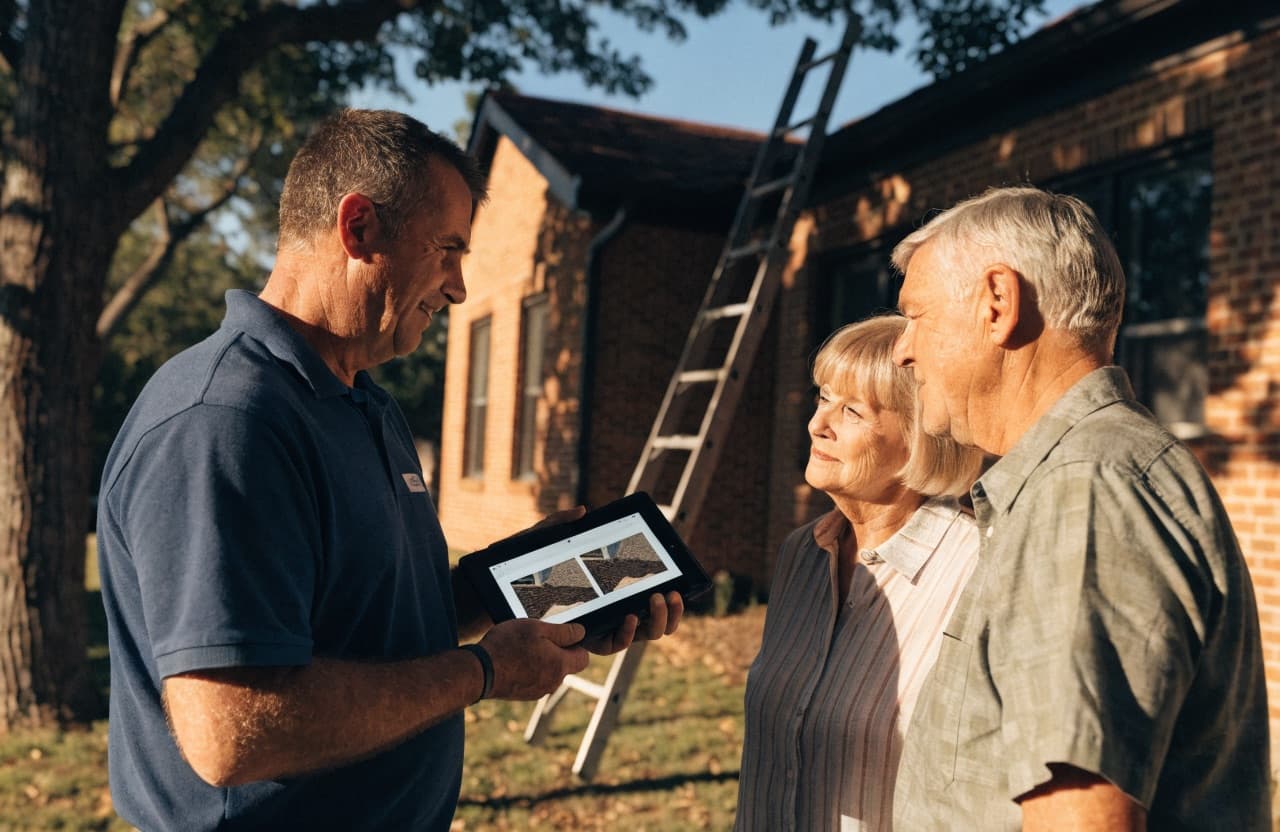
•Free storm damage inspection with photo documentation, measurements, and a straight answer on whether a claim is warranted
•A complete documentation package built the way adjusters expect to see it, tied to verified storm data for your address
•We meet your adjuster on the roof and make sure every legitimate item makes it into the scope
•Scope and supplement handling so missed line items get claimed instead of quietly absorbed by you
•The roof itself, installed to manufacturer spec by our crews, from storm damage repair to full replacements, whether it's a hail damage claim or a wind loss
•Final paperwork including the completion invoice your insurer needs to release your recoverable depreciation
We have handled this process for hundreds of homeowners across Baytown, Highlands, Mont Belvieu, Crosby, and the surrounding East Texas communities since 2019. You make the decisions; we do the heavy lifting.
Roofing Insurance Claim Assistance: Common Questions
Is roofing insurance claim assistance free? The inspection, documentation, and adjuster meeting cost you nothing at Sure Claim Roofing. We earn our money doing the roof work your claim pays for, so our incentive is a fully and fairly paid claim.
Will filing a claim raise my insurance rates? Storm claims are "acts of God," not fault-based claims, and after a major storm, rates in the region typically rise for everyone whether or not you filed. Skipping a legitimate claim rarely saves you anything; filing a weak claim below your deductible is what hurts, which is why we inspect first.
Can a roofer negotiate with my insurance company in Texas? No. Texas law prohibits contractors from acting as public adjusters. What we can legally do, and do every week, is document the damage, meet the adjuster, provide the estimates and supplements, and equip you to get your claim paid in full.
What if my claim was already denied? A denial is a starting point, not a final answer, and a significant share of denials get reversed on appeal. Start with our step-by-step guide to fighting a denied roof claim, or call us for a second inspection.
How long do I have to file? It depends on your policy, but most allow one to two years from the date of loss, and every month of delay weakens the claim. If the storm was recent, the best time to start is now.
If your roof took a hit, do not spend another week wondering what it will cost you. (And if cost is the question on your mind, you can get a free instant roof estimate online in about a minute, and our Baytown roof replacement cost guide shows why most storm-damaged roofs end up costing homeowners only their deductible.) Book your free inspection or call (281) 691-0552, and within an hour on site you will know exactly where you stand: whether you have a claim, what it should cover, and how much of this process you want us to handle for you.
Written by James
Owner, Sure Claim Roofing LLC
James has helped hundreds of East Texas homeowners navigate storm damage repairs and insurance claims since 2019. Licensed and fully insured in Texas.
Need a Free Roof Inspection?
Book Your Free InspectionSee What Your Roof Should Cost in About a Minute
Type your address, and we measure your roof from satellite imagery and show you a real price range. Know your number before you talk to your insurance company.
Free. No obligation. Your price appears instantly online.
See your roof price in 60 seconds
Type your address. We measure your roof from satellite imagery and show you a real price range. Free, and no salesman visit required.
Prefer to talk to a person? Book a free inspection