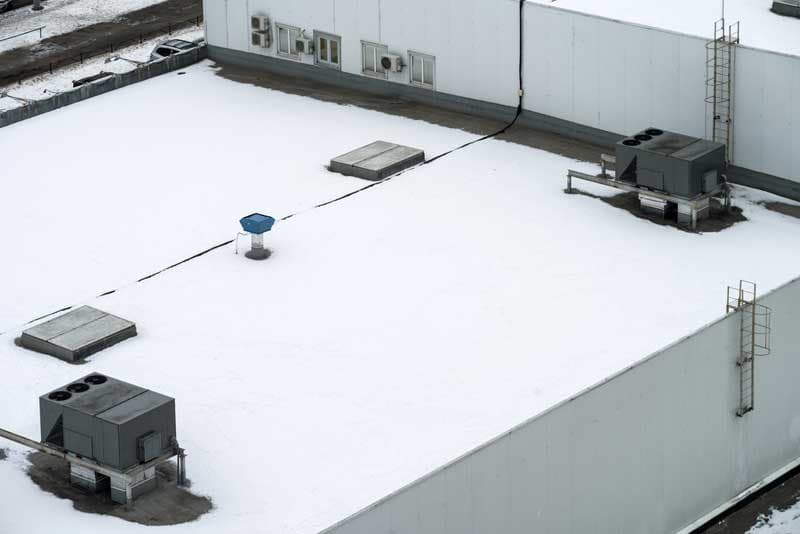
Commercial Roofing in Baytown, TX
Commercial roofing in Baytown, TX needs a scope that connects the roof system to the building’s drainage, equipment access and day-to-day operations.
Call (281) 691-0552Free inspection. Written roofing scope. No obligation to hire us.
Request a Commercial Roof Assessment
Tell us about your building and what needs attention. We'll contact you to discuss access, inspection availability and the next step. A site assessment comes before a commercial roofing quote.
Water coming into the building now? Call (281) 691-0552 to discuss availability. Keep clear of unsafe areas.
A warehouse or retail roof has different drainage, insulation, and access requirements than a house. We install and repair TPO and metal roofing on commercial buildings in Baytown, Mont Belvieu, Pasadena, and nearby areas.
Plan the inspection before comparing roof quotes
A recurring leak, wet insulation and a worn membrane can call for different work. Tell us how the building is used and where water appears. We assess the existing system and explain whether localized repair, an overlay or replacement is appropriate for the conditions we find.
What to have ready
- Building address, roof type and approximate size, if known.
- When leaks occur, ponding areas and previous repair records.
- Roof access, occupied hours and areas that must stay operational.
- Available roof photos and your preferred inspection timing.
You do not need every detail to make a request. Stay off the roof if access or conditions are unsafe.
What to compare in the written scope
- Repair areas or removal/overlay limits and the proposed roofing system.
- Decking and insulation allowances, drainage, flashing and penetrations.
- Access arrangements, protection of occupied areas and cleanup.
- Exclusions, approval of additional work and warranty terms.
Ask what remains unconfirmed until the roof is inspected or opened. A home-roof calculator cannot replace a commercial site assessment.
Repair, recover or replace: compare the building conditions first
A repair addresses a defined defect in a serviceable assembly. A recover adds an approved new system over a suitable existing roof. Replacement removes the agreed existing assembly and rebuilds the roof from the specified starting layer. These are different construction strategies, not three interchangeable ways to buy the same membrane.
The existing layers, moisture condition, deck, attachment and drainage affect whether a recover is appropriate. Covering a roof does not automatically resolve wet or deteriorated material underneath it. The proposal needs to explain what remains, what is removed and how the retained assembly is evaluated for the new system.
Compare the assumptions behind each option. A repair proposal should identify why the surrounding roof remains serviceable. A recover proposal should identify the acceptable substrate and any removal needed first. A replacement proposal should identify the new assembly and how it resolves the conditions prompting the work.
| Approach | Decision it should resolve |
|---|---|
| Localized repair | Can the specific defect be restored without renewing the whole assembly? |
| Recover | Is the retained roof suitable for the specified new system? |
| Replacement | Which existing layers need removal and what assembly replaces them? |
Include equipment and access in the roof plan
A warehouse, restaurant or occupied office cannot be planned from roof area alone. Rooftop equipment, service paths, tenant access, deliveries and sensitive contents affect the work sequence. Mark the locations of recurring leaks and identify which spaces below them are most vulnerable to disruption.
If an air-conditioning unit or another penetration needs work, identify the trade responsible and the sequence before roofing begins. A new membrane cannot finish the project if equipment must later be removed through it. The estimate should explain the roof work around each affected curb or penetration and any separately coordinated tasks.
For occupied buildings, include restrictions such as receiving hours, loading areas and protected entrances in the request. Existing drawings, warranty records and previous leak repairs are useful if available. They help frame the assessment without requiring a building owner to diagnose the roof or walk it.
A useful commercial quote names the assembly
“New TPO roof” does not identify membrane thickness, attachment method, insulation, cover board, perimeter detail or drainage work. Compare those components together. A product-only comparison can miss the differences that control the installation scope and ongoing maintenance.
The proposal should distinguish the existing condition from the intended result. If water collects around a rooftop unit, identify whether the work includes a drainage change or only a new surface. If additional insulation is proposed, distinguish its thermal role from any tapered layout used to create slope.
Keep warranty eligibility, inspection requirements and maintenance responsibilities attached to the specified assembly. A manufacturer’s product statement and a project-specific roof-system warranty are different documents. The written proposal should identify the coverage actually included and the records needed at completion.
What Is Commercial Roofing?
For flat and low-slope buildings, we look at the existing membrane, seams, flashing, insulation, drains, and ponding areas. Some roofs need a localized repair; others are better candidates for an overlay or full replacement. We'll explain which approach fits the building and why.
When to Consider Commercial Roofing
- ✓Warehouses, distribution centers, and industrial facilities with flat or low-slope roofs
- ✓Retail and office buildings needing a new membrane or full re-roofing
- ✓Commercial property owners dealing with persistent drainage failures or recurring leaks
- ✓Building owners looking to reduce energy costs with a reflective white TPO system
Commercial Roofing: Our Process
- 1
Commercial Roof Assessment
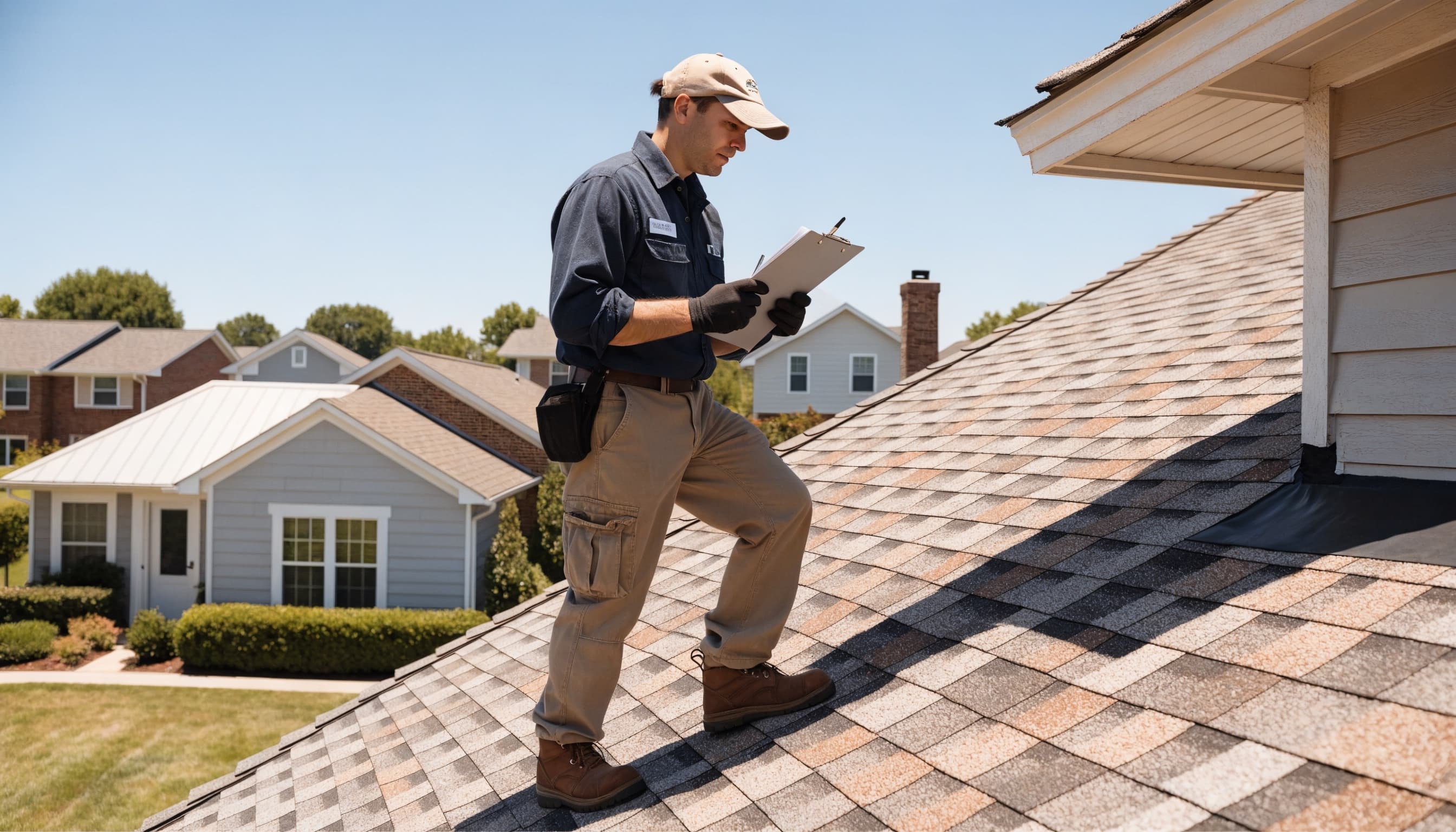
We inspect the existing system, check drainage, evaluate insulation condition, and assess overall health before recommending anything.
- 2
System Selection
We recommend the right system for your building type, operational needs, and budget: TPO, metal, or another single-ply option.
- 3
Installation
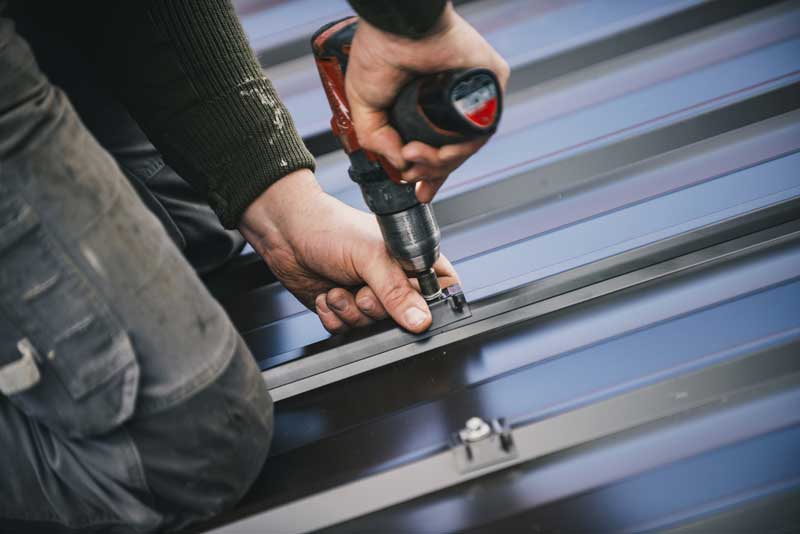
Experienced crews handle removal or overlay, insulation, membrane or panel installation, and all flashing and drain work to manufacturer specs.
- 4
Post-Installation Inspection
We test seams, verify drainage, and document the completed system for your records and warranty registration.
Ready to Get Started?
Free inspection. No pressure. 7 days a week.
Drainage, insulation and welded seams do different jobs
A low-slope roof still needs a drainage path. Tapered insulation uses varying panel thicknesses to direct water toward drains, scuppers or gutters. A cricket is a small raised diversion used to move water around an obstruction. GAF’s drainage guidance explains how these features help connect the roof surface to its outlets.
TPO is a thermoplastic membrane whose overlapping sheets can be joined with heat-welded seams. The field seams, penetration flashings and perimeter connections all belong in the system. A thicker sheet does not replace a sound seam or a suitable attachment design. The installation needs the details appropriate to the selected manufacturer and assembly.
GAF’s self-adhered system manual requires suitable substrates and addresses existing-roof evaluation. These requirements illustrate why an apparently simple recover depends on the layers underneath it. Moisture evaluation or exploratory work may be needed to define the scope; it should be identified rather than assumed to be part of a visual walkthrough.
At completion, retain the assembly description, approved changes, warranty documents and available inspection records. Give maintenance staff a roof-access plan that protects the finished surface and keeps drains reachable. Coordinate future equipment work with the roof system so a later penetration does not become an undocumented change.
Answered Questions
What should I include in a commercial roof request?
Give us the building address, your contact details and the roof concern. Include the roof type, approximate size, access arrangements and timing if known. You do not need to climb onto the roof or have every detail before contacting us.
Can I use the instant home-roof estimate for a commercial building?
Request a commercial assessment instead. The existing system, roof access, drainage, insulation and decking conditions affect the scope. We inspect the building before preparing a commercial quote and explain the assumptions and exclusions.
How long does commercial TPO roofing last?
TPO performance depends on the selected membrane, complete assembly, installation, exposure and maintenance. Heat-welded seams are one important part; flashing, attachment, drainage and the condition beneath the membrane also matter. Compare the specified system and written warranty rather than treating a single lifespan range as a promise.
Can you install a new commercial roof over an existing one?
Often yes, depending on the condition of the existing system and how many layers are already present. We'll assess whether an overlay is structurally appropriate or whether a full tear-off is the right call.
Will a TPO roof reduce our energy costs?
A reflective roof can reduce solar heat gain, but the effect on cooling costs depends on climate, existing insulation, building use and HVAC efficiency. Compare the chosen product’s reflectance information and the building’s assembly. A roof-surface temperature comparison is not a forecast of your energy savings.
Do you handle commercial storm damage claims?
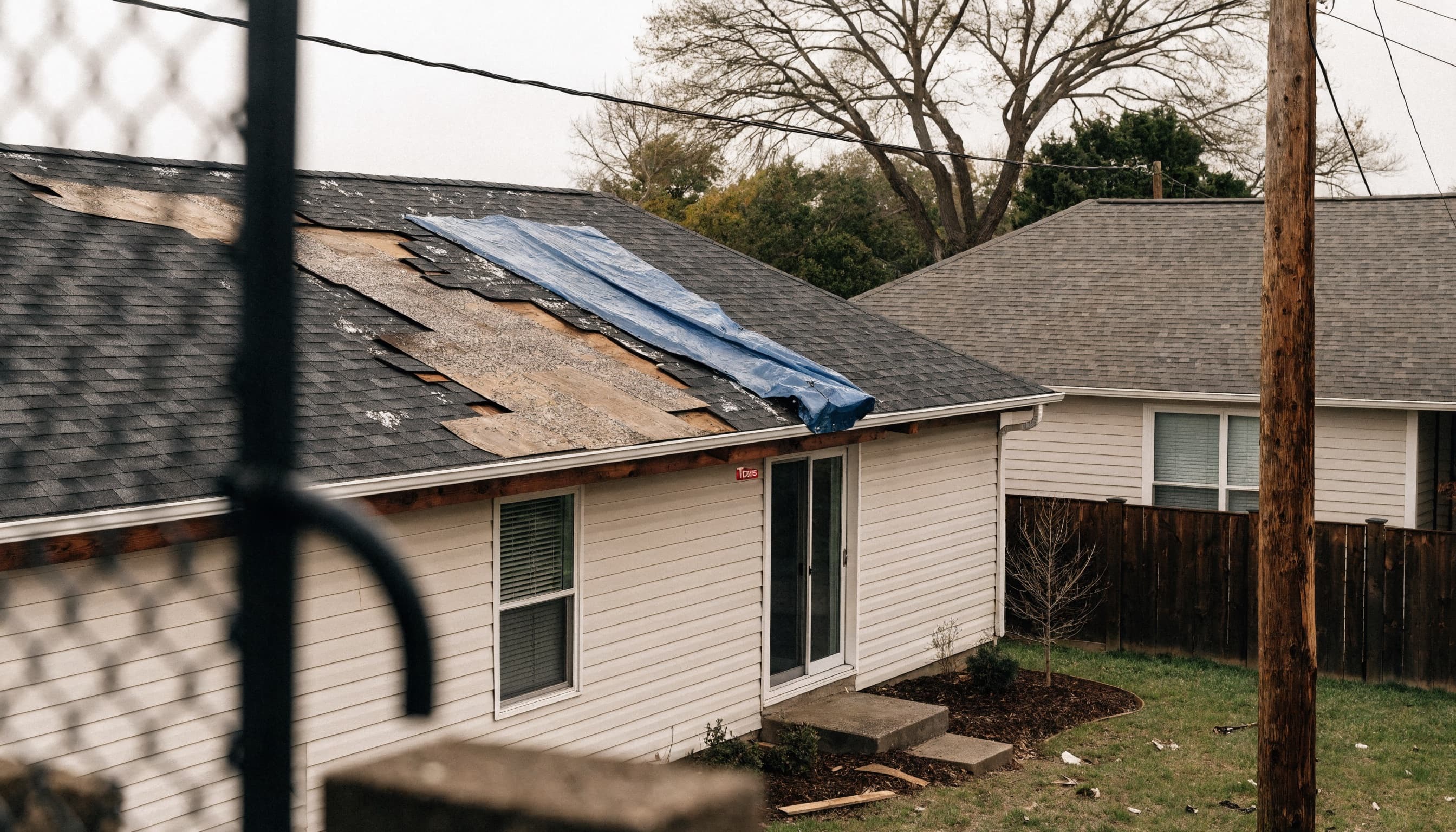
Yes. Commercial roofs take the same storm hits residential properties do. We document damage, assist with commercial insurance claims, and handle the repair or replacement scope.
Should every leak inside a commercial building be treated as a membrane failure?
No. The investigation should consider roof penetrations, flashing, drainage and rooftop equipment as well as the membrane. Record when the leak occurs and which equipment or weather conditions coincide with it. That gives the assessment a better starting point than assuming a new membrane is the only solution.
What should be resolved before approving a recover?
The retained layers, moisture condition, suitable attachment or bonding surface, drainage and project requirements need to support the specified assembly. A recover should be a documented system choice with preparation included, rather than a shortcut around understanding the existing roof.
Serving Baytown, TX and Surrounding East Texas Communities
We provide commercial roofing services throughout Harris, Chambers, and Liberty counties, including: