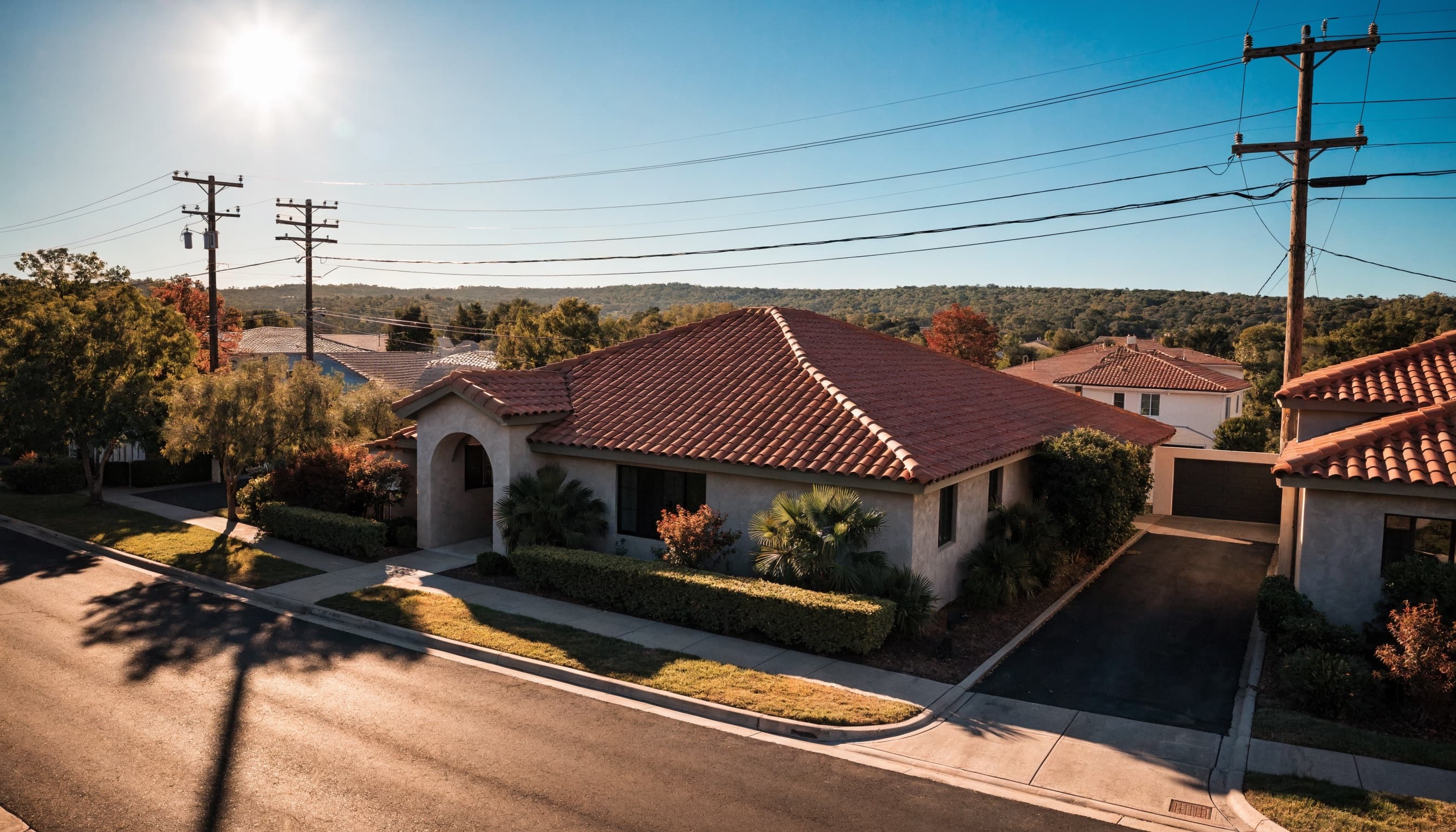
Tile Roofing in Baytown, TX
Tile roofing in Baytown, TX needs an assessment of the tile, the layers beneath it and the structure supporting the complete assembly.
Call (281) 691-0552Free inspection. Written roofing scope. No obligation to hire us.
Request your free roof inspection
Tell us about the roof. We'll contact you to discuss inspection availability.
Form not loading? Open the inspection form or call (281) 691-0552.
Tile isn't common on every Baytown street, but it belongs on some homes and may be required by an HOA. We repair and install clay and concrete tile roofs and check the structure before recommending a heavier tile system.
Distinguish a broken tile from a failing roof assembly
An isolated broken piece, a leaking penetration and widespread underlayment deterioration require different scopes. The visible tile condition is one part of the decision. A roof can have reusable tiles above layers that need repair, while a small visible break can also have damaged material beneath it.
Compare the diagnosis before comparing repair totals. An individual-tile repair should identify the piece, profile and condition underneath. A larger scope should identify the affected roof area, what tile will be lifted and whether sound pieces are intended for reuse. Avoid treating “tile repair” as a complete description of either job.
Appearance matching also needs attention. Profile, dimensions, interlock and color affect whether a replacement piece fits the existing system. A similar-looking tile is not necessarily a compatible replacement. Establish the actual product or suitable replacement before making an appearance-sensitive repair decision.
| Observed concern | Scope distinction to resolve |
|---|---|
| One broken tile | Replacement piece and condition underneath |
| Leak at a pipe or wall | Flashing and underlayment connection |
| Several recurring leaks | Condition and extent of the underlying assembly |
| Change from another material | Structural suitability and complete new system |
For a material change, resolve structure before appearance
A move from shingles to clay or concrete tile changes more than the finish. The roof structure, deck, slope and attachment need to support the selected tile system. A product’s listed weight belongs in that review; choosing a lighter-looking profile does not establish structural suitability.
Any needed structural work is a separate scope from laying tile. Identify who assesses it and what must be completed before roofing proceeds. The result should connect the selected product to the building, rather than leave reinforcement as an undefined possibility after ordering.
An HOA preference or a matching neighboring roof can guide appearance, but it does not determine the correct assembly for your house. Keep design approval, product selection and structural suitability as connected but distinct decisions. That avoids resolving color early while the more consequential construction question remains open.
Compare tile reuse, underlayment and flashing explicitly
For work beneath existing tile, identify which areas are opened, how sound pieces are handled and what happens if pieces cannot be reused. A reuse plan should also consider whether matching replacements can be obtained. The written scope can distinguish the intended reuse from any additional material that becomes necessary.
Underlayment and flashing should be named as work items rather than treated as incidental to the tile. If the scope renews those layers, identify where the new work joins material that remains. A limited repair and a full-area renewal can have very different boundaries even when the finished tile looks similar.
Before an inspection, gather existing roof records, any spare-tile information and photos of the leak or break from safe locations. Do not walk the tiles to locate a product mark. Bring your repair estimate if you are comparing recommendations so the discussion can focus on the condition and proposed work.
What Is Tile Roofing?
On a tile roof, leaks often begin in the underlayment or flashing rather than the tile itself. Broken pieces can sometimes be replaced individually if the profile is still available. For a new tile roof, the first question is whether the framing can safely carry the weight.
When to Consider Tile Roofing
- ✓Homes with Mediterranean, Spanish Mission, or Southwestern architectural styles
- ✓HOA communities or neighborhoods that specify or prefer tile for aesthetic continuity
- ✓Homeowners comparing clay or concrete tile as part of a suitable complete roof system
- ✓Properties where curb appeal and resale differentiation are priorities
Tile Roofing: Our Process
- 1
Structural Assessment
The selected tile system’s weight and attachment need to suit the building. Resolve the structural assessment and any required reinforcement before committing to a material change.
- 2
Underlayment & Flashing
Underlayment and flashing connect the tile covering to the roof’s drainage details. The installation needs appropriate overlaps, penetration details and clear water paths for the selected system.
- 3
Tile Installation
Tiles installed in the correct pattern with the right fastening method for your profile and roof slope. Ridge and hip tiles finished with mortar or mechanically fastened systems.
- 4
Inspection & Documentation
We inspect every run for cracked or misaligned tiles and provide documentation for your records and manufacturer warranty.
Ready to Get Started?
Free inspection. No pressure. 7 days a week.
Keep the drainage routes working beneath and between tiles
A tile system manages water through the tile layout, underlayment and flashing together. The TRI Alliance installation manual provides separate details for valleys, walls, penetrations and individual tile repairs. Those junctions need the correct connection to the underlying layers, not simply a replacement surface piece.
Individual repairs also need to preserve the tile’s intended water channels. TRI’s repair detail cautions against placing adhesive where it blocks flow. A repair that secures a piece while damming its drainage can create a new water problem. The appropriate attachment depends on the tile and the approved detail.
The underlayment condition matters when a broken tile is removed. The repair needs to address any disturbed fastener holes or damage before the replacement piece is seated. This explains why a tile replacement can involve more work than sliding a new piece into the visible gap.
After the work, keep the tile identification, available matching information and the areas repaired with your roof records. Coordinate later antenna, solar or equipment work with the roofing system. Access and new penetrations need planning so an unrelated project does not damage tiles or bypass the roof’s drainage details.
Answered Questions
How long does tile roofing last?
Evaluate the tile and the underlying assembly separately. Sound tiles can remain above underlayment or flashing that needs repair, and damaged pieces may need replacement sooner. Product, installation, exposure and maintenance affect the roof; a single age range does not establish its condition.
Is tile roofing practical for Houston-area weather?
Compare the specific tile product, its tested ratings and attachment with the building’s roof slope, structure and exposure. Clay and concrete products vary; the material category alone does not establish hail performance. The roof also needs suitable underlayment, flashing and drainage details.
Can you replace individual broken tiles without doing the whole roof?
Often yes, if the matching profile is still available or can be sourced. Individual tile repair is straightforward when the profile can be matched. We'll assess the situation before committing to anything.
Is my roof structure strong enough for tile?
The building needs an assessment appropriate to the selected tile system and its loading. Resolve whether reinforcement or other structural work is required before ordering. That work and its responsible party should be identified separately from the roofing installation.
Does a tile that changes color automatically need replacement?
Appearance changes and functional damage are different questions. Identify whether there is a crack, displacement, surface change or a leak below the area. The repair decision should follow the actual condition rather than color alone.
Can old tiles be retained when the layers underneath need renewal?
Sound, compatible pieces may be candidates for reuse in an appropriately planned scope. Availability of replacements, handling, attachment and the condition of the underlying assembly affect that decision. The estimate should distinguish the intended reuse from new tiles and identify how damaged or unsuitable pieces are handled.


Serving Baytown, TX and Surrounding East Texas Communities
We provide tile roofing services throughout Harris, Chambers, and Liberty counties, including:
Explore a home roof replacement budget
Planning a full home-roof replacement? Enter the property address to start the replacement estimator. For a repair, inspection or final written scope, use the inspection request above.
Prefer to talk to a person? Book a free inspection