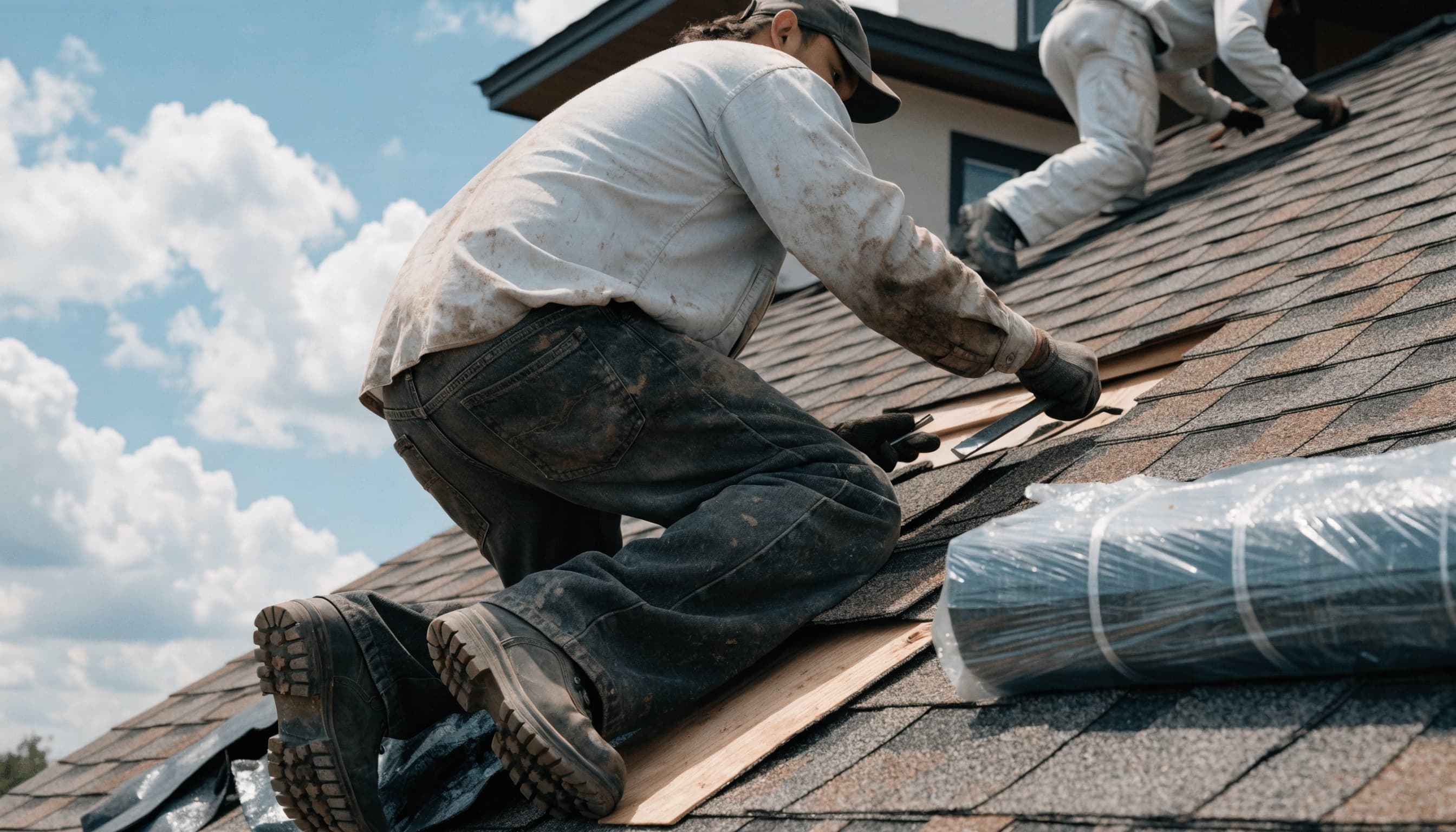
Roof Repair Services in Baytown & Nearby Communities
Roof repair services in Baytown and nearby communities should address the water-entry point and the materials around it, so a small repair solves a defined problem.
Call (281) 691-0552Free inspection. Written roofing scope. No obligation to hire us.
Request your free roof inspection
Tell us about the roof. We'll contact you to discuss inspection availability.
Form not loading? Open the inspection form or call (281) 691-0552.
A leak or a few missing shingles doesn't always mean you need a new roof. We'll find where the problem starts, show it to you, and give you a repair price. If the rest of the roof is still sound, we'll tell you to keep it.
Before choosing a roof repair contractor
Ask where the roof is failing, what the repair includes, and how additional damage will be approved. Our Baytown repair checklist explains what to record before the inspection and how to compare the proposed work.
For an active leak, read the roof leak guide for safe first steps.
Compare the repair being proposed, not just the patch size
A useful repair estimate identifies the affected roof area, the suspected failure and the work needed to reconnect that area to the surrounding roof. “Seal leak” leaves you guessing whether the work means surface sealant, new flashing, replacement shingles or opening the assembly to repair damaged wood. Those are different jobs, even when they address the same ceiling stain.
Compare the work boundary on each estimate. One proposal might replace only a pipe boot; another might include the nearby shingles and underlayment needed to integrate the new flashing. A broader boundary can be reasonable when the access needed to do the repair properly extends beyond the visible defect. It should still have an explanation tied to the condition of your roof.
Use the written scope to separate included work from discoveries that require approval. If removing material exposes soft decking, an allowance describes what is already included; a change describes additional work. The affected location, amount of material and approval should be clear before the scope grows.
| Scope item | What a useful description tells you |
|---|---|
| Failure location | Which slope, roof junction or penetration is involved |
| Materials | What is removed, replaced and retained |
| Concealed work | How newly exposed decking damage will be documented and approved |
| Finish | How the opened roof is closed and debris removed |
When a localized repair still makes sense
A repair is a stronger option when the failure is limited and the adjacent materials can support a sound connection. The important distinction is not simply whether a roof is old. It is whether replacing the damaged part leaves a serviceable roof around it. Multiple unrelated failures, deteriorated decking or materials that break during access can change that decision.
For example, one leaking vent on an otherwise serviceable slope is a different problem from repeated leaks at several valleys. The first may have a clear repair boundary. The second needs an explanation of whether previous patches missed a shared installation problem or whether the roof is deteriorating in several places. A new patch at each stain can leave the underlying pattern unresolved.
If you already have a replacement recommendation, bring the estimate and any photos to the inspection. That lets the discussion focus on the proposed work and the conditions supporting it. A second opinion is most useful when it compares findings rather than simply offering a different total.
Information that helps narrow a recurring leak
Record which room is affected, when the water appears and whether it happens with ordinary rain or only with wind from a particular direction. Photograph the stain and any change over time from a safe indoor position. An older dry mark and a new wet edge tell different stories; repainting before diagnosis can erase useful context.
Include previous repair dates, invoices and accessible attic photos if you already have them. You do not need to climb into an unsafe attic or lift roofing to collect evidence. An outline of what has already been tried helps distinguish a recurring source from a new failure nearby.
Keep exterior roofing work and interior restoration distinct on the paperwork. Fixing the entry point does not by itself replace wet insulation, damaged drywall or another affected building material. Identifying which work is included avoids discovering a gap after the roof repair is finished.
What Is Roof Repair?
Roof repair can mean replacing damaged shingles, fixing flashing around a chimney or vent, repairing a valley, or tracking down a leak that only shows up during hard rain. The source isn't always directly above the ceiling stain, which is why we inspect the roof before quoting the work.
When to Consider Roof Repair
- ✓Roofs with isolated damage after a storm, with the rest structurally sound
- ✓Active leaks coming from worn or cracked flashing around a chimney, vent, or skylight
- ✓Missing or damaged shingles on an otherwise solid roof
- ✓Homeowners who want an honest second opinion before committing to a full replacement
Roof Repair: Our Process
- 1
On-Roof Inspection
We get on the roof, find the actual source of the problem, and show you what we're looking at. No guesswork, no vague estimates from the driveway.
- 2
Written Estimate
You get a clear, itemized estimate before we touch anything. If removal exposes additional damage, we explain the change and get approval before expanding the work.
- 3
Repair
We complete the repair with quality materials installed to last, not the minimum that will hold until next season.
- 4
Verification
We check the repair thoroughly before we leave and walk you through what we did.
Ready to Get Started?
Free inspection. No pressure. 7 days a week.
Why flashing repairs need more than a visible bead of sealant
Flashing directs water past a roof interruption. At a sloped roof-to-wall junction, step flashing uses overlapping pieces interwoven with shingle courses. At a chimney, base flashing and counterflashing serve different parts of the junction. The practical goal is a continuous route for water to drain outward rather than enter the assembly.
A visible sealant crack may be part of the problem, but the repair method depends on the layers beneath it. Covering the surface cannot recreate missing overlap or replace corroded metal. Conversely, a failed seal at an otherwise correctly detailed penetration may need a more limited repair. Identifying the detail is what makes the scope meaningful.
GAF’s flashing guidance explains these different water-management details. Product instructions also matter when existing metal is retained: condition, dimensions and compatibility with the surrounding roofing need to be considered. A repair should restore the relevant drainage connection instead of treating every roof junction as the same caulking job.
Answered Questions
How do I know if my roof needs repair or full replacement?
Repair makes sense when the damage is limited and the surrounding roofing can support a sound repair. Widespread deterioration, repeated failures or damaged supporting materials can make replacement worth comparing. We inspect the condition and explain the proposed scope rather than use age alone to decide.
Can you fix a roof that's actively leaking right now?
Call (281) 691-0552 if water is entering now. Tell us the address, where the leak appears and any safety concern so we can discuss availability and temporary protection. The protection method and permanent repair depend on the damage, safe access and weather.
Does insurance cover roof repairs in Texas?
Coverage depends on the cause of damage and your policy, including exclusions and deductibles. We provide photos and a written roofing estimate. Your insurer determines whether the loss is covered.
How long does a typical roof repair take?
Most repairs are finished in a few hours to a full day depending on complexity. Larger flashing jobs or multi-section damage may take longer. We'll give you a realistic timeline before we start.
Will replacement shingles look exactly like the existing roof?
A repair can restore weather protection while remaining visible. Weathering, production changes and discontinued colors can prevent an exact appearance match. Compare a sample with the existing roof before approving an appearance-sensitive repair, and distinguish the repair boundary from any optional cosmetic work.
What should I keep after a repair?
Keep the dated estimate, approved changes, invoice and available before-and-after photos together. Mark the repaired location on a simple roof or room sketch. If water returns, that record makes it easier to distinguish the repaired area from a separate leak.
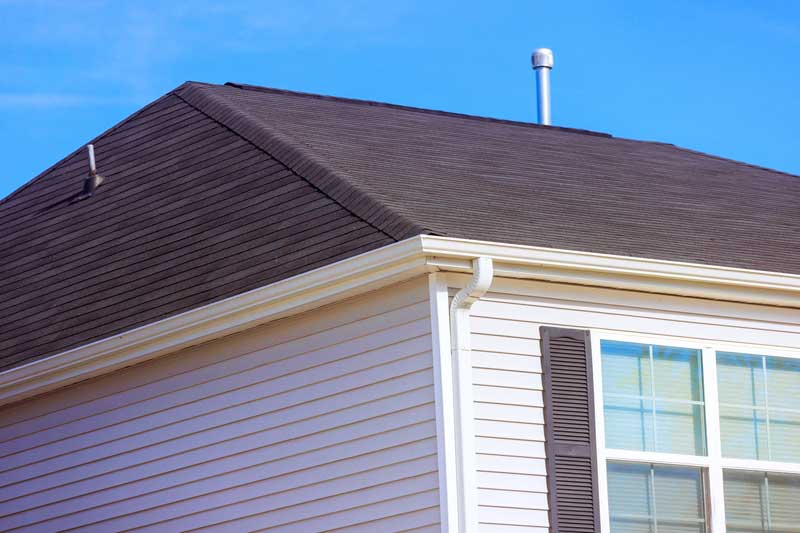
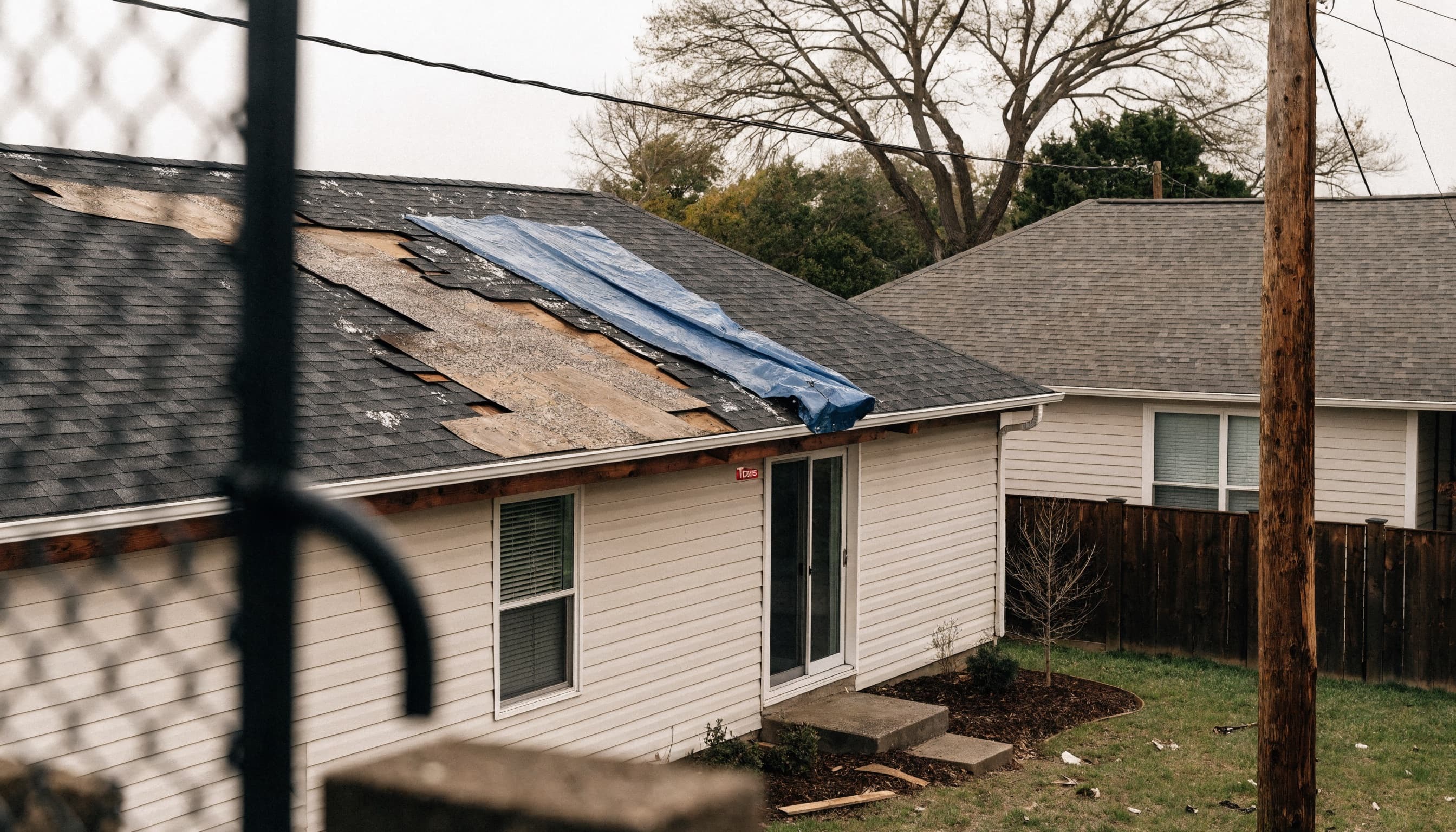
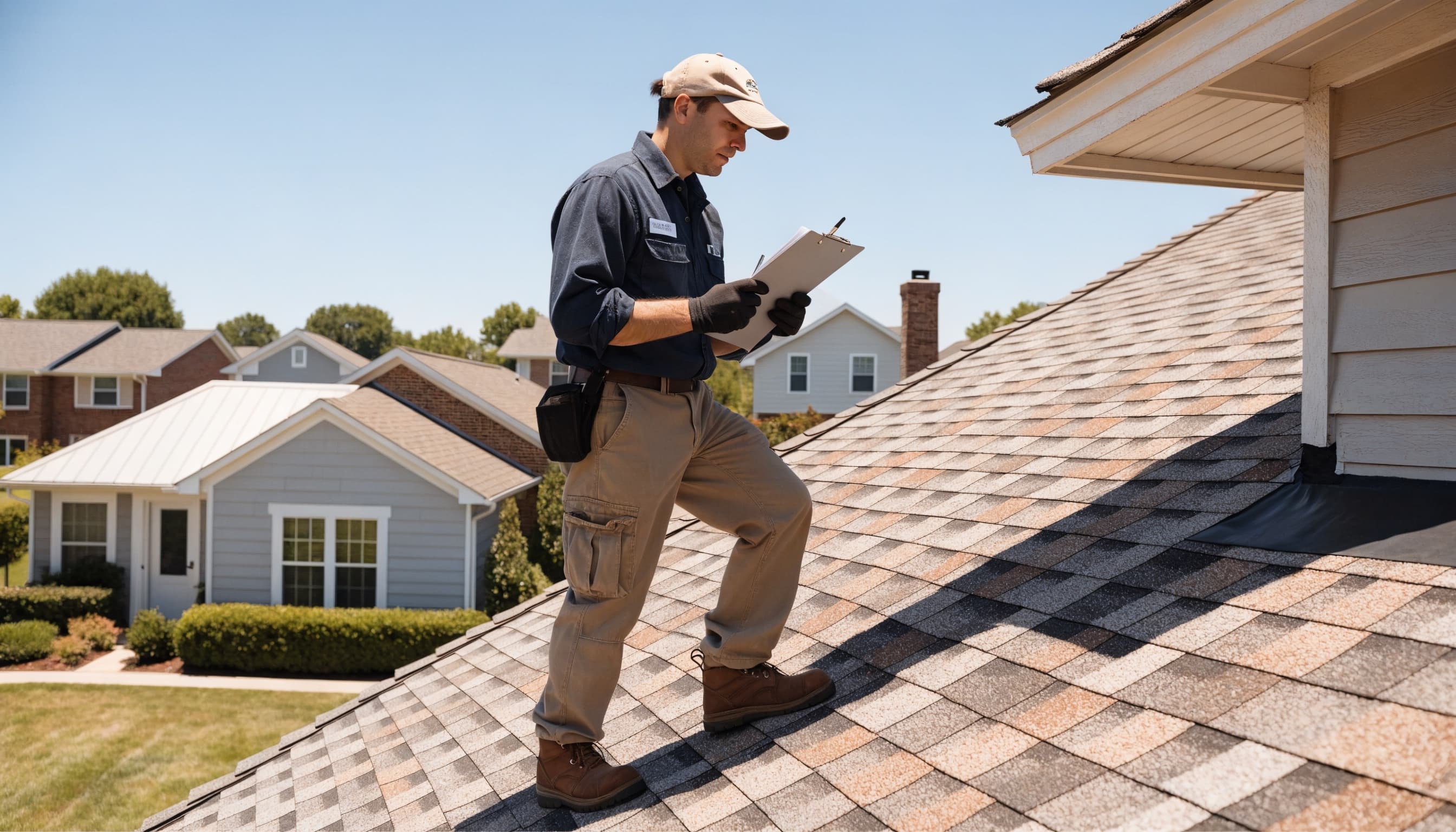
Serving Baytown, TX and Surrounding East Texas Communities
We provide roof repair services throughout Harris, Chambers, and Liberty counties, including:
Explore a home roof replacement budget
Planning a full home-roof replacement? Enter the property address to start the replacement estimator. For a repair, inspection or final written scope, use the inspection request above.
Prefer to talk to a person? Book a free inspection