
Storm Damage Roof Repair in Baytown, TX & Nearby Communities
Storm damage roof repair in Baytown, TX and nearby communities starts with identifying what was damaged, then defining the work needed to restore those roof areas.
Call (281) 691-0552Free inspection. Written roofing scope. No obligation to hire us.
Request your free roof inspection
Tell us about the roof. We'll contact you to discuss inspection availability.
Form not loading? Open the inspection form or call (281) 691-0552.
After hail or high wind, a roof can look fine from the yard and still have lifted shingles, cracked seals, or damaged vents. We get on the roof, photograph what we find, and explain which areas need repair. If you're filing an insurance claim, you can use our photos and contractor's scope in your claim file.
When the damage is limited to part of the roof, our Baytown roof repair team will explain the permanent fix and price it before work begins.
Completed project · Baytown, TX
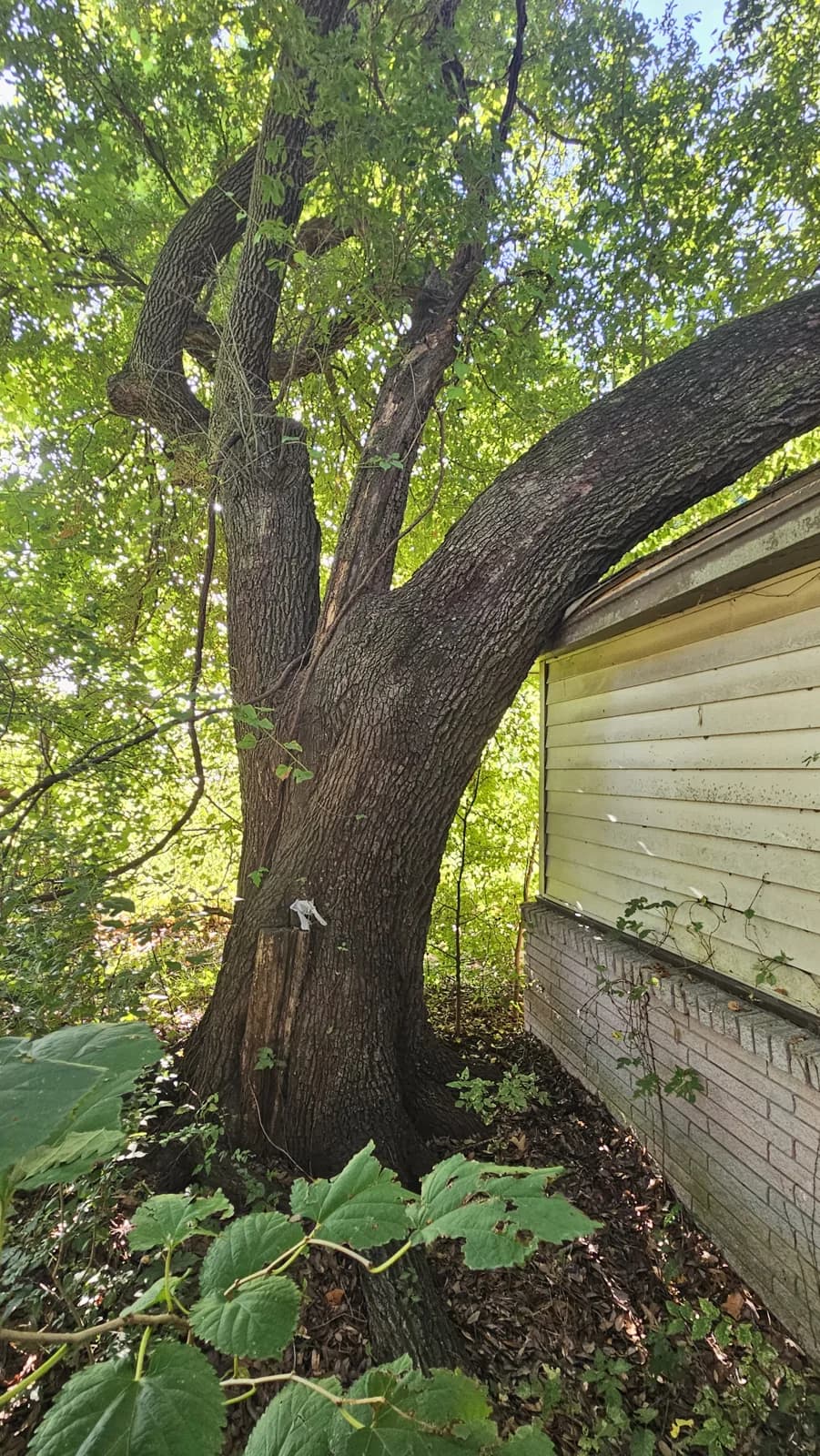
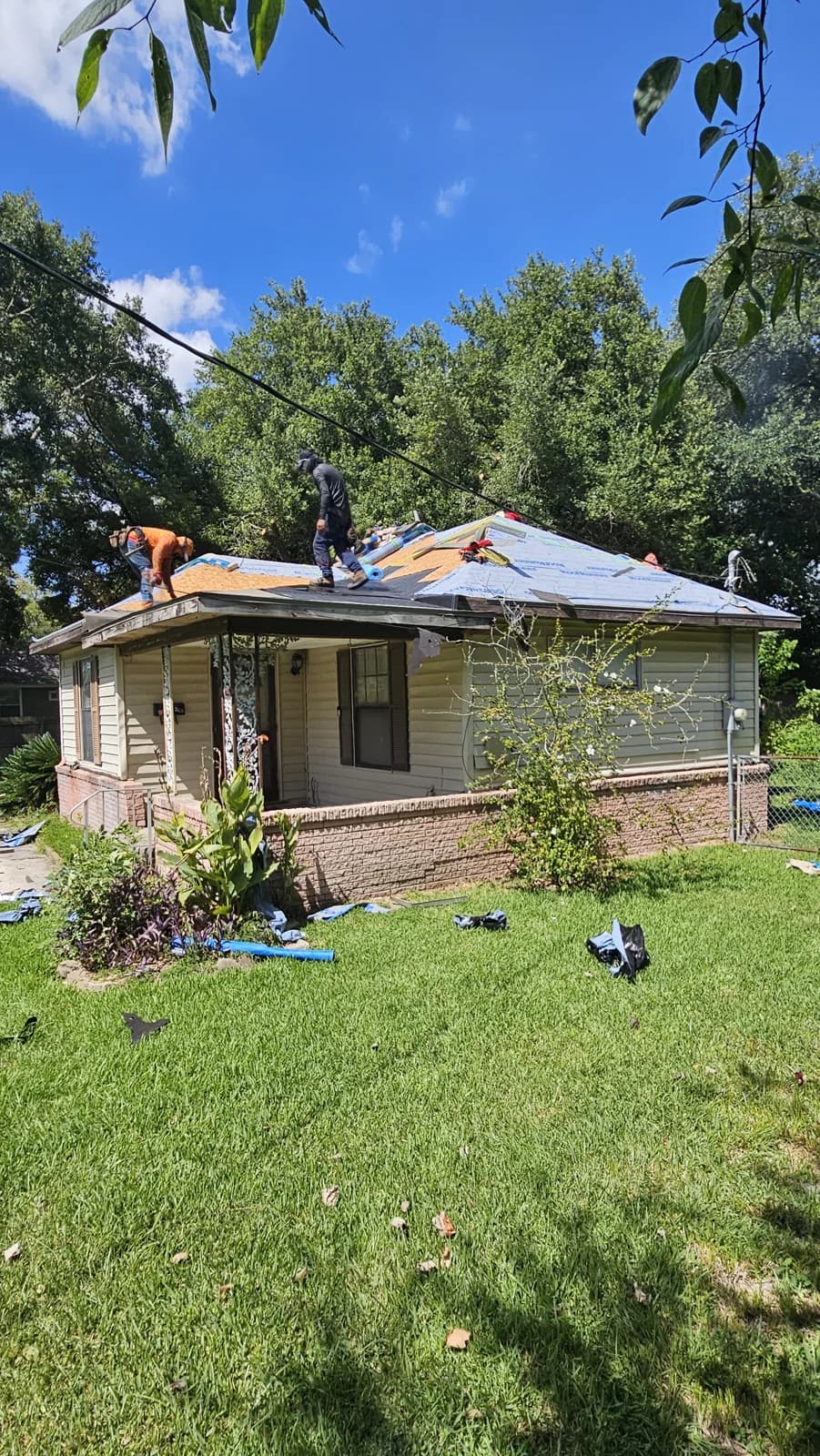
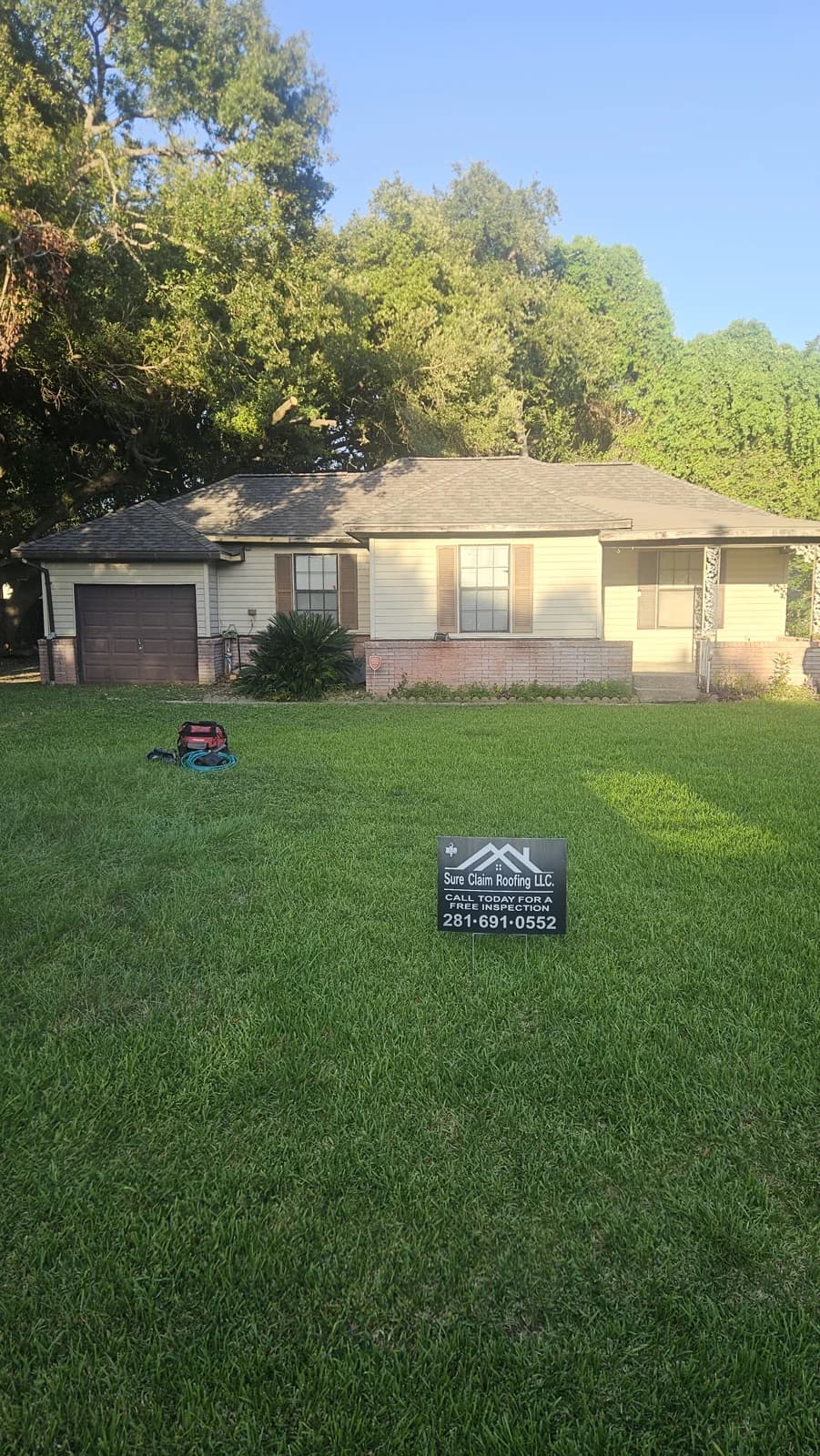
From tree damage to a new roof in about two days
This Baytown homeowner needed extensive repairs after a storm left a tree against the roof edge. Sure Claim Roofing completed the emergency repair and full roof replacement in about two days.
View the Baytown storm-damage projectView the full project photos. Timing depends on the damage and work needed for each roof.
A storm nearby and damage on your roof are different evidence
A hail report or strong wind event is a reason to inspect, not a diagnosis of every roof in the neighborhood. The useful findings identify the material, location and condition observed on your property. Roof age, previous repairs and pre-existing wear also belong in the assessment because they can affect what a repair requires.
Photographs work best as a sequence: a wider view identifies the roof section, and a closer view shows the condition being discussed. A close-up without context can make it difficult to tell where the damage is or whether two photos show the same area. Keep original files and dates instead of relying only on compressed screenshots.
If you know when the problem first appeared, record that date and what changed. A new leak after a storm, a missing ridge piece and an older ceiling stain should be described separately. Accurate observations help the roofing scope without turning uncertainty about the event into a confident cause claim.
Choose the repair boundary from the damaged assembly
A permanent repair may extend beyond the mark visible from the ground. Replacing a damaged shingle requires a sound connection to adjacent material; repairing a puncture may also involve the supporting deck. Damage around a chimney, valley or roof edge needs the relevant flashing detail included in the plan.
A localized scope is useful when the damaged area can be restored and the surrounding roof remains serviceable. Wider damage or materials that cannot support the repair can make replacement a more practical option. The recommendation should explain that condition, rather than treating any hail mark as an automatic full-roof replacement.
Compare what happens to adjoining components. A proposal that names only shingles may leave vent damage, edge metal or a compromised penetration outside the scope. The repair plan should connect each included component to the observed condition and identify anything requiring separate work.
Separate temporary protection, permanent work and claim documents
An active opening needs a protection plan while the full scope is being established. Temporary protection reduces further water entry; it is not the finished repair. Record what was covered, when it was installed and any conditions that remain unresolved so the next inspection does not have to reconstruct the first visit.
Keep the temporary-work invoice and photos with the roof estimate. When an insurer is involved, follow its instructions for documenting the loss and preserving the opportunity to inspect. Emergency work and permanent replacement are different decisions. You can organize the evidence while the repair plan is being developed.
Compare the contractor’s estimate and insurer’s scope by roof area, measurements, materials and individual repair items. An omitted item may be a factual scope difference, while an exclusion or payment decision is a policy question. Keeping those questions separate helps you direct each one to the person responsible.
What Is Storm Damage Repair?
Storm damage looks different depending on what hit the roof. Hail can bruise shingles and dent vents. Wind can lift edges, loosen ridge caps, or pull material away from flashing. Debris can puncture the surface. We inspect for those signs and separate storm damage from ordinary age and wear.
When to Consider Storm Damage Repair
- ✓Homes or businesses hit by hail, high winds, a tropical storm, or a named hurricane
- ✓Properties where the damage isn't visible from the ground but you suspect something happened after a storm
- ✓Anyone whose claim was started but who isn't sure the adjuster captured everything
- ✓Homeowners with recurring leaks after storm seasons that have never been properly inspected
Storm Damage Repair: Our Process
- 1
Free Storm Damage Inspection
We inspect every section of your roof for hail dents, granule loss, cracked ridge caps, lifted edges, and damaged vents. On foot, not from the driveway.
- 2
Damage Documentation
We photograph accessible damage, identify the affected roof areas, and describe the work in a written estimate. Keep these records with your claim documents.
- 3
Claim Support
We attend the adjuster inspection when requested, point out documented roofing damage, and provide a written contractor's scope.
- 4
Repair or Replacement
Before work begins, we agree on the roofing scope, materials, payment arrangements, and schedule. Any required permits or windstorm inspections must be addressed as part of planning.
After the storm, separate what happened from what needs fixing
Baytown has real exposure to tropical weather. The National Weather Service's Hurricane Beryl record from July 2024 includes rainfall observations near Baytown. That is useful storm history, but a regional weather report cannot establish damage to your particular roof.
The inspection needs to connect visible conditions to a repair scope. Keep dated photos, the date you first noticed a leak or missing shingles, and records of earlier work. We photograph accessible roofing damage and explain the proposed repair. Your insurer reviews any coverage question.
Temporary protection comes before the permanent decision
Stay off the roof during bad weather. If water is entering, ask about emergency tarping and current availability. Keep receipts for temporary work and contact your insurer about its inspection requirements before authorizing permanent repairs.
For TWIA policyholders, TWIA's repair guidance specifically distinguishes temporary protection from permanent repairs and advises waiting for the adjuster's inspection before permanent work. Other insurers have their own instructions.
Match the next step to the roof
Isolated damage may call for roof repair. More extensive damage may require replacement and permit checks. For the paperwork side, read what our Baytown claim documentation service includes. Neither a storm date nor an inspection promises a replacement or an insurance payment.
Ready to Get Started?
Free inspection. No pressure. 7 days a week.
How wind, impact and water create different repair needs
Wind can lift or remove roofing and damage the connections that hold it in place. With asphalt shingles, both fastening and the bond between courses matter. A lifted edge does not tell the whole story: an assessment needs to consider whether the shingle is torn, creased, unsealed or otherwise unable to function as intended.
Hail and debris can leave different marks in different materials. A dented metal vent is an observation about that vent; it is not a measurement of damage to every shingle. GAF’s storm guidance describes checking roofing, flashing and penetrations together. That broader view helps avoid a scope based only on the easiest mark to photograph.
Water can continue entering through a roof interruption after the visible debris is gone. The permanent work needs to restore the affected drainage and attachment detail. That is why a roof-surface patch, replacement flashing and deck repair are not interchangeable descriptions.
Bring existing photos, a prior roof invoice and any current estimate to a free inspection request. Tell us whether water is entering now, when the change appeared and which rooms are affected. Sure Claim Roofing can document the roofing condition and proposed work; the insurer determines coverage under the policy.
Answered Questions
How do I know if last year's hail damaged my roof?
You probably can't tell from the ground. Hail damage shows as bruised or cracked shingles, missing granule patches, or dents in metal vents and gutters. It is worth having a professional look promptly because notice and filing deadlines vary by policy.
How long do I have to file a storm damage claim in Texas?
Your deadline depends on the policy and the type of claim. Many policies require prompt notice and may set a separate filing deadline, so check your policy or ask your insurer rather than relying on a universal timeframe. Early photos and an inspection make the damage easier to document.
Will my insurance cover a full replacement after a storm?
A full replacement depends on the damage and the policy. Some roof coverage accounts for depreciation; deductibles, exclusions, and limits also matter. We explain the roofing work needed. Your insurer explains what it will cover.
What if the adjuster's scope differs from the roofing estimate?
Compare the listed roof areas, measurements, materials, and repair items. We can explain our estimate and provide supporting photos or technical information. We do not negotiate your settlement; a licensed public adjuster or attorney can advise on representation.
Should I climb onto the roof to photograph storm damage?
Stay on the ground. Safe exterior and interior photos, the approximate event date and a description of the problem are useful starting information. Climbing or lifting roofing can expose you to a fall and disturb the condition that needs inspection.
Can the roof and interior repairs be planned separately?
They are related but different scopes. The roof work addresses the entry point and affected roofing assembly; wet insulation, drywall and other interior materials need their own assessment. Keep both scopes documented so the end of roofing work is not mistaken for completion of all building repairs.


Serving Baytown, TX and Surrounding East Texas Communities
We provide storm damage repair services throughout Harris, Chambers, and Liberty counties, including:
Explore a home roof replacement budget
Planning a full home-roof replacement? Enter the property address to start the replacement estimator. For a repair, inspection or final written scope, use the inspection request above.
Prefer to talk to a person? Book a free inspection