Roof Insurance Claims in Baytown, TX: Damage Documentation
Roof insurance claims in Baytown, TX need damage documentation that connects the condition of your roof with a clear, itemized description of the roofing work proposed.
Call (281) 691-0552Free inspection. Written roofing scope. No obligation to hire us.
Request your free roof inspection
Tell us about the roof. We'll contact you to discuss inspection availability.
Form not loading? Open the inspection form or call (281) 691-0552.
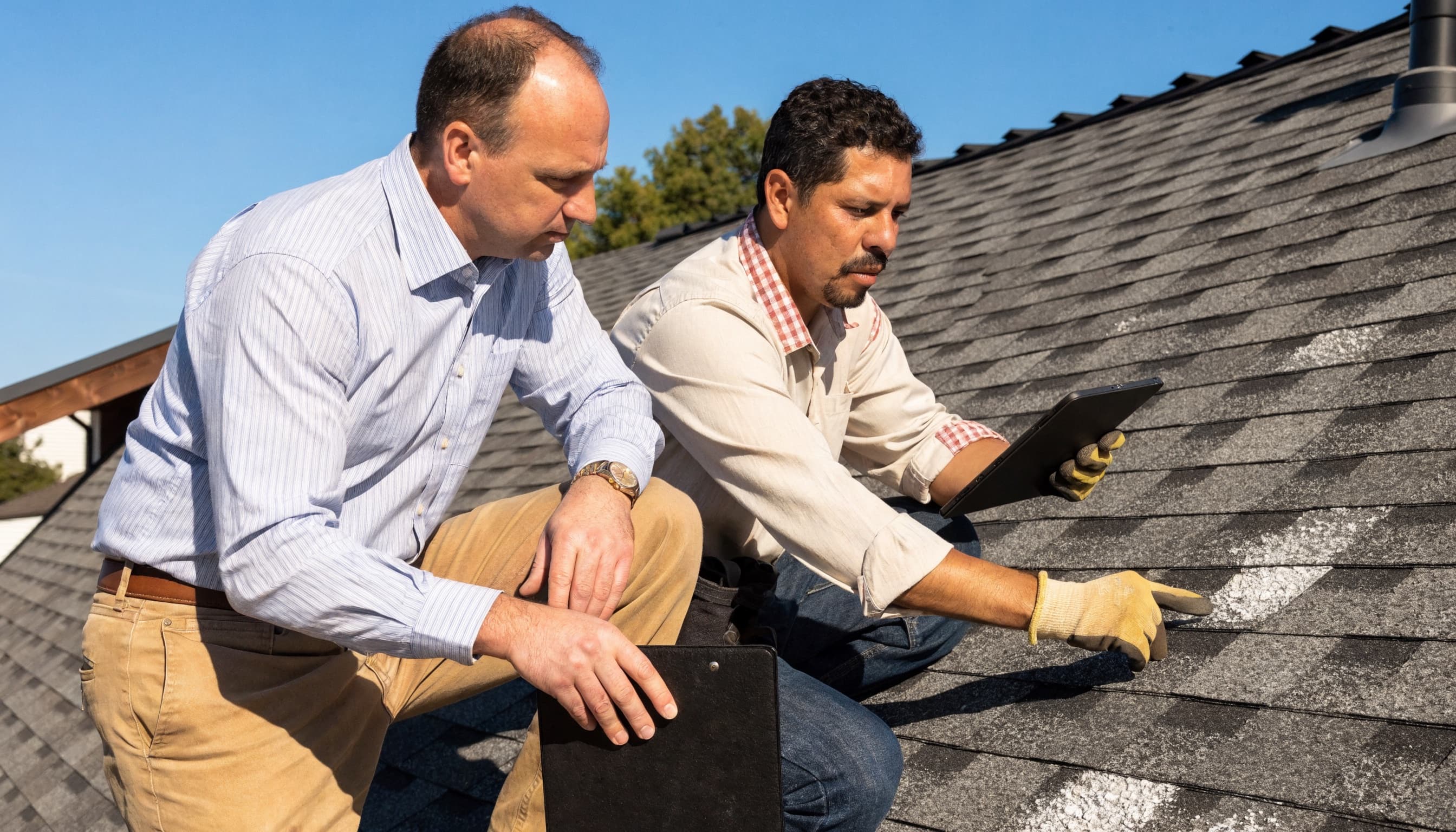
A roof claim comes with photos, estimates, an adjuster visit, and a lot of unfamiliar paperwork. Our part is the roof. We inspect it, document the visible damage, write a contractor's scope, and attend the adjuster inspection when requested. You stay in control of the claim and the decisions.
Build one usable roof record
Keep the roof photos, contractor’s estimate, temporary-repair receipts and insurer correspondence in one project folder. Label material by date and roof area where possible. Original files preserve more context than a collection of cropped screenshots, especially when several inspections or weather events are involved.
Add an existing roof invoice or product record if you have it. Prior repairs and roof changes help explain the current assembly. If you are unsure when damage happened, record what you observed and when you first noticed it. A precise observation is more useful than assigning a date that the evidence cannot establish.
For the roofing estimate, look for a connection between the documented condition and the proposed repair. A photograph of a damaged component should have an identifiable location; a repair item should say what is being removed, replaced or retained. That makes the scope easier to discuss without treating photos as a coverage decision.
Compare scope differences one item at a time
Put the contractor’s roof estimate beside the insurer’s written scope. First compare the surfaces and measurements. Then compare materials and work items. A different total may come from a different roof area, a missing component, a different repair assumption or different pricing. Identifying the specific difference is more productive than comparing totals alone.
Some differences concern physical work: an omitted valley, a damaged vent or decking discovered during tear-off. Others concern the policy: an exclusion, depreciation or a coverage limit. Sure Claim Roofing can explain the physical conditions and its roofing estimate. Your insurer explains the policy decision.
If additional damage becomes visible, keep the new photos and description with the original scope and approved changes. Send requested factual documentation through the insurer’s stated process. A contractor’s additional-work estimate documents proposed construction; it does not itself authorize an insurance payment.
| Difference | Useful supporting information |
|---|---|
| Roof area | Identified slopes and measurements |
| Material or component | Product identification and condition photos |
| Concealed damage | Dated discovery photos, location and proposed repair |
| Coverage or payment | Written insurer explanation and relevant policy documents |
Keep the roof contract and insurance payment clear
The roofing agreement defines the work and payment arrangements. The claim file explains what the insurer has approved under the policy. Read both before approving permanent work so an insurance estimate is not mistaken for the entire construction contract.
A deductible is the policyholder’s share of a covered loss. Texas Department of Insurance guidance states that contractors cannot waive, rebate or absorb a property deductible. Be cautious of a proposal that presents the deductible as a discount to be hidden in paperwork. Keep the contract and payment records accurate.
If insurance funds are issued in stages or a lender is named on the check, establish the required handling before the installation date. The insurer or lender supplies its release requirements; the written roof agreement supplies the payment schedule. These are different processes, and one does not automatically set the other.
How Roof Insurance Claim Documentation Works
We can explain our roofing estimate and answer questions about the damage we documented. We don't interpret your policy or negotiate your settlement. Those conversations belong between you and your insurer, or a licensed public adjuster or attorney if you hire one.
When to Consider Insurance Claims
- ✓Homeowners with storm, hail, or wind damage who don't want to navigate the claims process alone
- ✓Homeowners who need roof photos or a roofing estimate after a claim denial
- ✓Property owners with multiple weather events and no insurance inspection since
- ✓Homeowners who need a roofing assessment before discussing damage with their insurer
Insurance Claims: Our Process
- 1
Free Inspection & Documentation
We inspect accessible roof areas, photograph visible damage, and prepare a written scope of the proposed roofing work.
- 2
Documents for Your Claim
You report the loss to your insurer. We supply roof photos and our estimate so you can include them with the documents it requests.
- 3
Adjuster Meeting
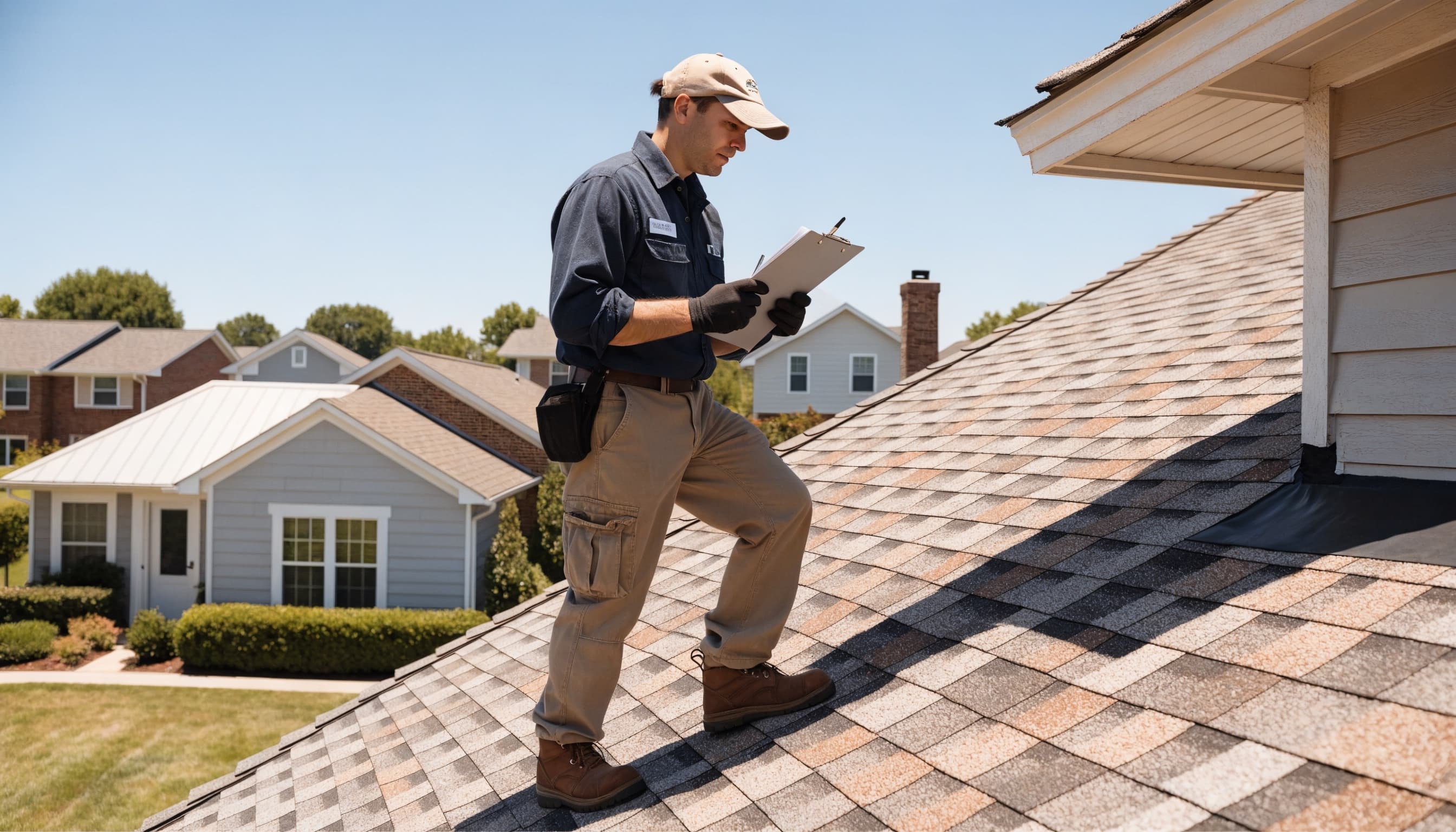
When requested, we attend the roof inspection and explain the conditions, measurements, and materials in our estimate.
- 4
Scope Questions
If the scopes differ, we explain our proposed work and provide technical supporting information. Questions about coverage or settlement representation belong with your insurer, a licensed public adjuster, or an attorney.
Preparing for an adjuster visit in Baytown
Keep your photos, repair estimate, prior invoices, and insurer correspondence together. Our Baytown roof claim checklist explains how to compare the roofing scope and what we can discuss with your adjuster. If work is approved, review the permit and windstorm inspection questions before setting the installation date.
Ready to Get Started?
Free inspection. No pressure. 7 days a week.
What a roof photo can and cannot establish
A close photograph can show a condition, but context connects that condition to a repair. A wider view identifies the roof area; the closer view shows the defect. Dates, locations and a plain description help another person understand what is being proposed without standing beside the roof.
Construction evidence and policy evidence answer different questions. Roof photos and measurements support the proposed physical work. They do not establish every term of coverage or resolve how depreciation applies. Keeping those boundaries clear makes a factual scope discussion easier to follow.
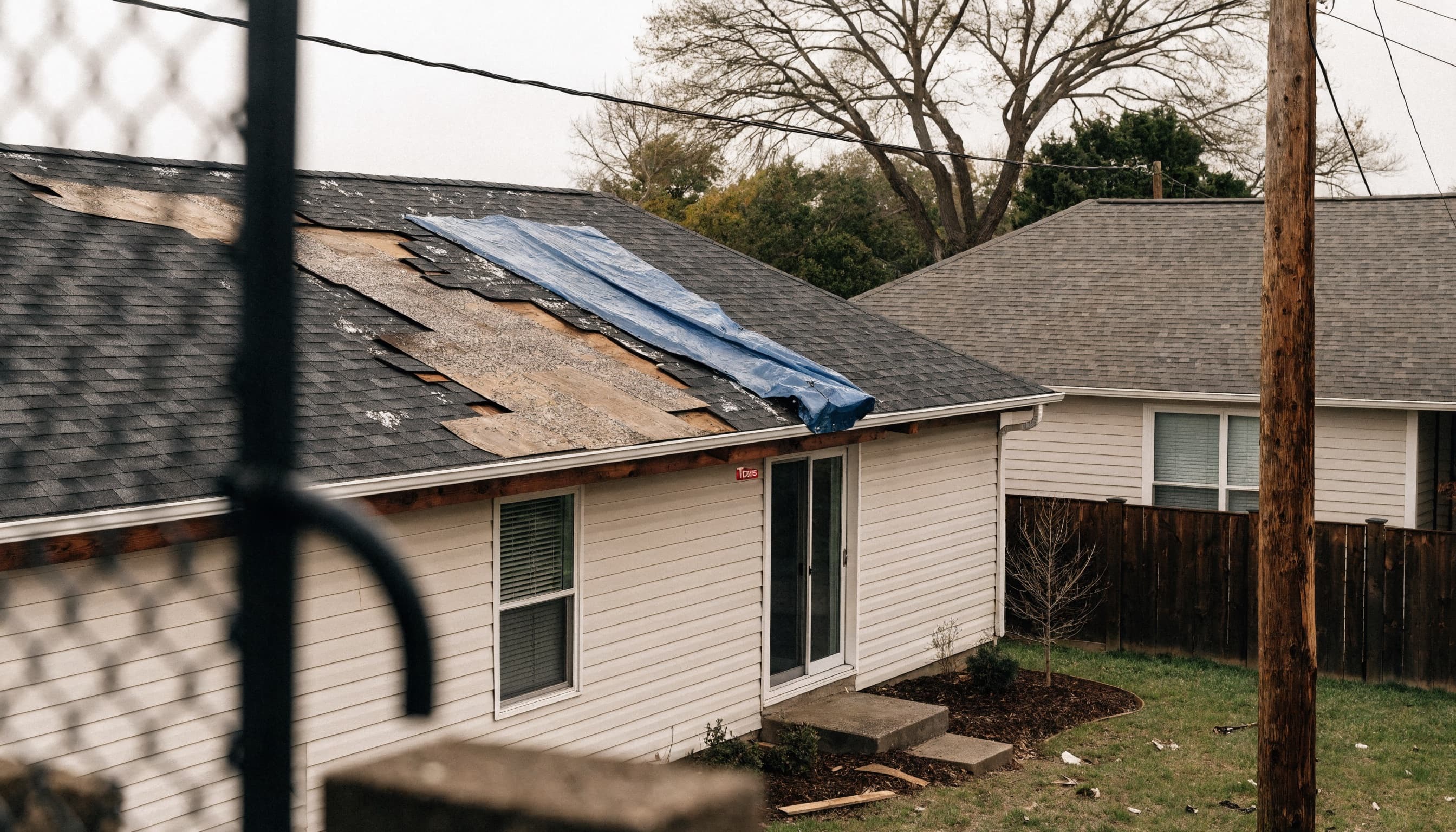
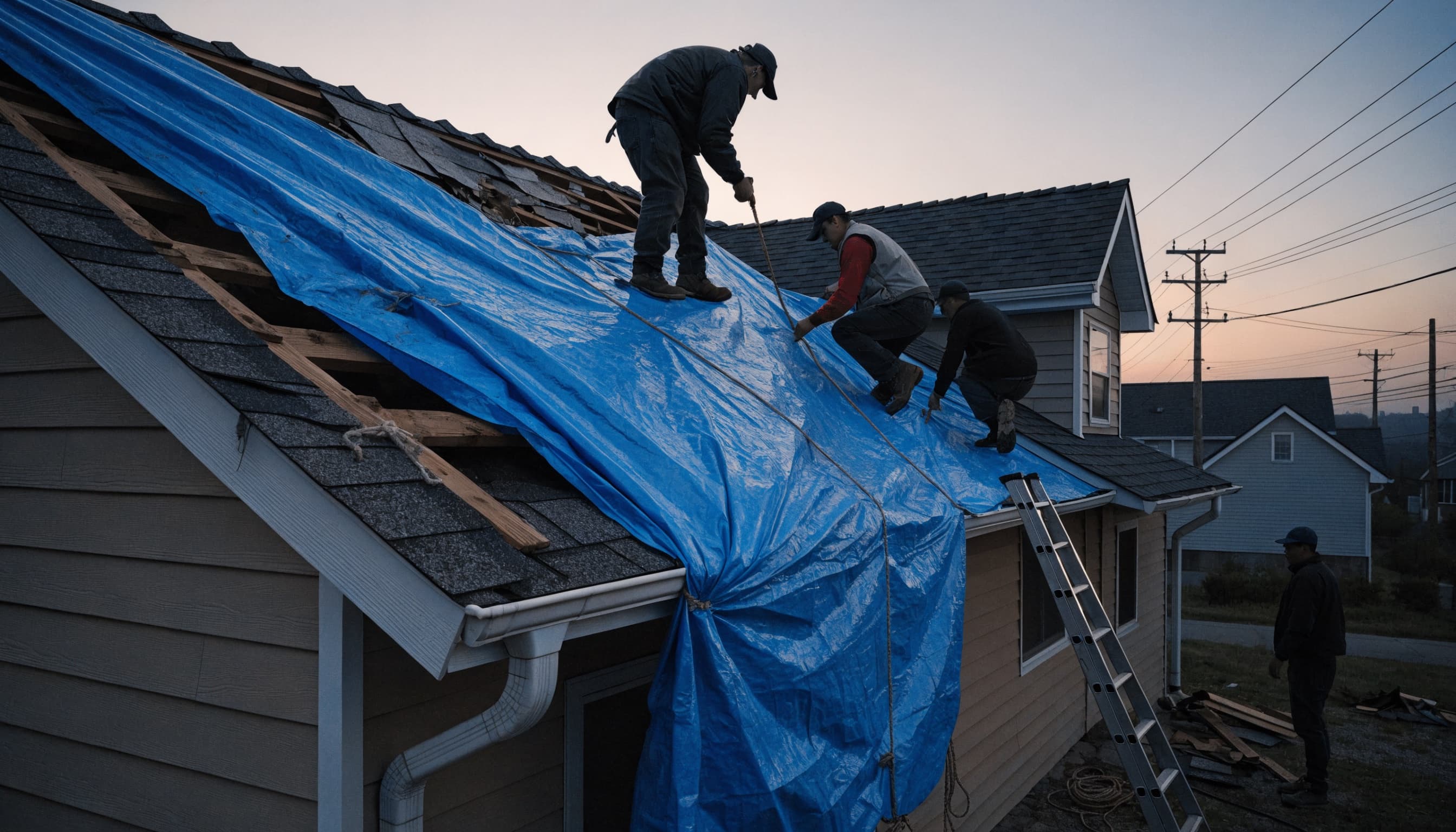
OPIC’s residential claims guidance recommends documenting damage, retaining communications and keeping repair receipts. That record remains useful whether you approve a direct repair, continue the claim or seek help with an unresolved coverage issue. It also helps separate emergency protection already completed from permanent work still proposed.
To request roofing documentation, send the property address, the concern and any existing roof estimate or inspection information. An adjuster appointment date is useful if you already have one. Sure Claim Roofing provides the roofing assessment and contractor’s scope, including attendance at the adjuster inspection when requested.
Answered Questions
Does filing a roof claim raise my insurance rates?
Ask your insurance agent about your policy and circumstances. We cannot predict a rate change. Our role is to show you the roof condition and provide an estimate for the work.
What's the difference between a roofer and a public adjuster?
A public adjuster represents the policyholder in claim negotiations for a fee. We're a roofing contractor: we inspect, document visible damage, provide estimates, and attend inspections when requested. If you need policy interpretation or claim negotiation, consult a licensed public adjuster or attorney.
What's the difference between ACV and RCV coverage?
Actual cash value accounts for depreciation. Replacement cost coverage is based on current repair or replacement costs, subject to the policy. Deductibles and limits still apply. Ask your insurer which coverage applies to the roof and what documents or completed work are needed for payment.
How long does the claims process take?
Timing depends on the insurer, inspections, requested documents, and any unresolved questions. Ask your claim contact for the next step and expected response date. We can confirm when our roofing documents will be ready.
What if my insurer asks for a roof document I do not recognize?
Keep the exact request and send it with your roofing inquiry. A request for photos, measurements or a repair estimate is different from a request for a policy statement or signed claim form. Identifying the actual document avoids supplying a general estimate when a more specific record was requested.
Can I choose a different roof system while using insurance funds?
A material change needs its own construction comparison. Identify the approved repair scope, the proposed alternative and any difference you will pay before agreeing to the work. Coverage and payment for an upgrade depend on the policy and insurer’s decision; the roof contract should identify the system actually being installed.
Serving Baytown, TX and Surrounding East Texas Communities
We provide insurance claims services throughout Harris, Chambers, and Liberty counties, including:
Explore a home roof replacement budget
Planning a full home-roof replacement? Enter the property address to start the replacement estimator. For a repair, inspection or final written scope, use the inspection request above.
Prefer to talk to a person? Book a free inspection