A roof claim can feel straightforward until an adjuster, a deductible, and two very different contractor estimates enter the picture. Insurance claim roofing is not about finding someone who promises a new roof. It is about establishing what happened, what the roof system needs, and what the policy may cover with clear, documented evidence.
For Baytown and East Texas property owners, that often starts after wind, hail, heavy rain, or a leak exposes a problem that was not visible from the ground. The right next step is an on-roof evaluation - not a drive-by estimate or a sales pitch based on a neighborhood storm date.
Insurance Claim Roofing Starts With the Roof Condition
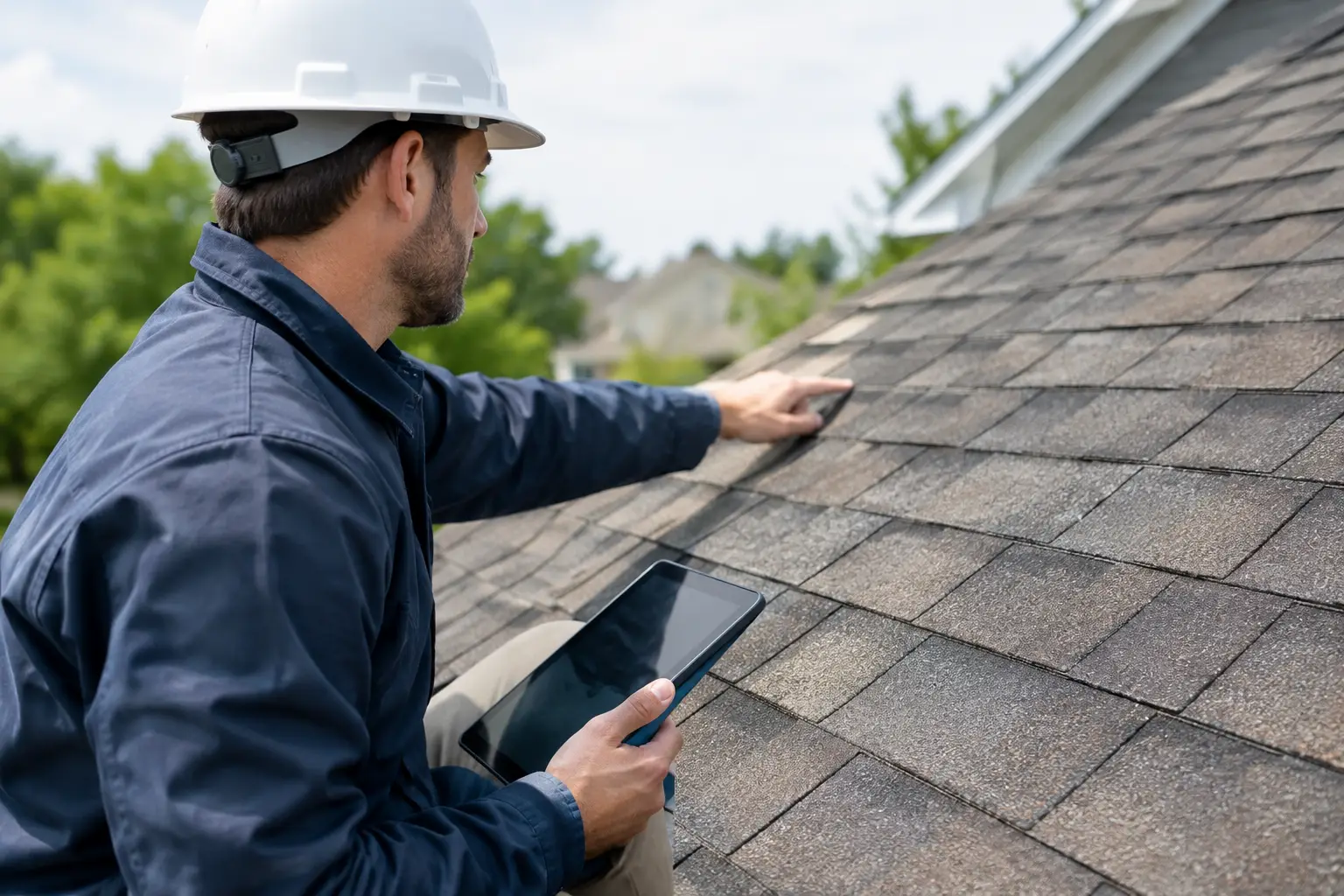
An insurance carrier needs to separate sudden covered damage from age, wear, poor maintenance, installation issues, and prior repairs. A contractor should do the same. That is why a useful inspection looks beyond lifted or missing shingles.
A complete evaluation considers shingles or panels, flashing at walls and chimneys, pipe penetrations, valleys, ridge components, vents, gutters, drainage, exposed fasteners, and the condition of the decking when accessible. On low-slope commercial roofs, the inspection may also include seams, drains, scuppers, ponding water, edge metal, rooftop equipment curbs, and signs of moisture below the membrane.
Photos matter because they create a record of what is actually present. A written scope matters because it explains what the photos mean. Neither should be used to manufacture damage or force a claim where the evidence does not support one.
The goal is a plain answer: Can the issue be repaired? Is damage widespread enough that replacement should be considered? Or is the roof near the end of its service life regardless of the storm?
| What you are seeing | What should be established first | Likely next step | |---|---|---| | Active ceiling leak after rain | Entry point, wet materials, flashing and penetration condition | Emergency protection and targeted repair evaluation | | Missing shingles after wind | Number and location of affected areas, creases, exposed underlayment | Document damage and compare repair feasibility | | Widespread granule loss or brittle shingles | Age-related wear versus distinct storm damage | Review replacement options and claim evidence if present | | Recurring commercial roof leaks | Membrane seams, drainage, penetrations, and interior moisture path | Commercial assessment and phased repair or replacement scope |
Document Before Temporary Repairs Hide the Evidence
If water is entering the building, stopping additional damage comes first. A temporary tarp, emergency patch, or interior water control can protect the property while the claim is reviewed. Take photos before work begins when it is safe to do so, then keep receipts and notes for any emergency service.
Do not wait for an inspection if the roof is actively leaking, but do not allow temporary work to become an undocumented permanent repair. The carrier may ask what was done, when it was done, and why. A clear record helps show that you acted responsibly to prevent further damage.
It also helps to photograph interior staining, damaged insulation, wet flooring, or affected inventory. For commercial properties, facility managers should note the date of the event, weather conditions, impacted areas, any production or tenant disruption, and the steps taken to protect occupants. Those details can be useful even when the roof repair itself is the main focus.
Know What Your Contractor Can and Cannot Do
A roofing contractor can inspect the roof, document observed conditions, prepare a repair or replacement scope, explain construction requirements, and meet with an adjuster to discuss the roof findings. That support can make the process less confusing, especially when the adjuster has questions about materials, code-related work, ventilation, flashing, or why a repair may not be practical.
The contractor should not promise claim approval, tell you what your insurer will pay before the carrier makes a decision, or interpret policy language as an attorney or public adjuster would. Coverage depends on your specific policy, deductible, exclusions, depreciation terms, and the carrier's determination.
This distinction protects you. A contractor who guarantees a free roof before inspecting the property is asking you to trust a conclusion before the evidence is in. A better approach is to review the roof condition first, then decide whether filing a claim makes sense.
Read the Estimate for Scope, Not Just the Bottom Line
Once an insurer issues an estimate, compare it with the contractor's written scope line by line. The lowest number is not always the lowest cost if essential work is omitted. At the same time, a higher contractor estimate is not automatically more complete. The details tell the story.
For a shingle roof, look for tear-off and disposal, underlayment type, ice and water protection where required, starter shingles, ridge caps, flashing replacement, pipe boots, ventilation, decking allowances, and protection for landscaping and exterior surfaces. Ask whether the estimate includes permit requirements, code-related items, and any work needed to properly tie the roof into existing walls or roof sections.
For TPO, modified bitumen, or metal commercial roofing, the scope should identify the membrane or panel system, insulation, fastening method, seam details, drainage corrections, edge metal, penetrations, equipment coordination, and access limitations. A roof over an occupied warehouse or retail space may require staging, after-hours work, or protection for operations. Those are real project costs, not extras to ignore.
If the carrier's estimate leaves out an item required for a proper installation, the contractor can provide documentation for a supplement request. That is not a reason to inflate the work. It is a process for presenting legitimate, supportable items that were not included in the original estimate.
Meet the Adjuster With Facts on the Roof
An adjuster meeting is most productive when everyone is looking at the same conditions. The contractor can point out damaged areas, explain how components function together, and identify hidden concerns that may not be visible from the ground. This is especially helpful with complex roofs, multiple layers, specialty materials, or commercial systems.
Property owners should still stay involved. Ask what was observed, what was documented, and what remains uncertain. Request copies of the contractor's scope and photos, then compare them with the carrier's estimate before authorizing work.
If the claim is denied or partially approved, read the carrier's explanation carefully. Sometimes the decision reflects excluded damage, a determination that repairs are sufficient, or evidence of long-term deterioration. In other cases, additional roof documentation may clarify an item that was missed. The appropriate response depends on the facts, not frustration alone.
Choose the Repair or Replacement That Fits the Building
A claim settlement does not decide what is best for your property. You still need to choose materials and a scope that fit the roof's condition, budget, building use, and long-term plans.
An asphalt shingle repair may be sensible when damage is limited and matching material is available. Replacement may be more practical when shingles are brittle, damage is spread across multiple slopes, repairs would be highly visible, or the system is already near the end of its life. Impact-resistant shingles can be worth considering for some Texas homes, but they cost more and do not eliminate the need for proper installation.
For commercial owners, a targeted repair can preserve a serviceable TPO or metal roof, while a full replacement may reduce recurring leak calls and operational disruption. The right answer depends on moisture findings, membrane condition, drainage, remaining life, and whether the building can tolerate repeated repairs.
Sure Claim Roofing approaches claim-related work with inspection photos, written scopes, and a clear discussion of repair and replacement options before you decide. You should be able to see what the contractor sees and understand what each proposed item is intended to solve.
A roof claim is easier to manage when the conversation stays grounded in evidence. Tell your contractor what you are seeing, keep the records you receive, and review the proposed work before you sign. That gives you a better basis for protecting the property, whether the outcome is a small repair, a full replacement, or a decision to monitor the roof for now.